KURLAND
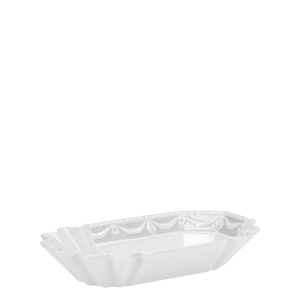
KURLAND Currywurst Bowl
White
85,00€
It is believed that Herta Heuwer, the owner of a Berlin snack bar, invented the Currywurst September 4, 1949. Reportedly, she had few customers that day, so she experimented with her ingredients and invented one of Germany’s most popular dishes. Since then, the Currywurst has become just as much a part Currywurst Berlin as the Royal Porcelain Manufactory, which is based in the city. Both originated here and have achieved cult status worldwide. Z
Show moreHistory
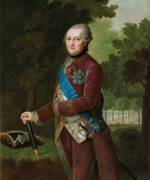
Commissioned by Peter von Biron, Duke of Kurland, a series in a strictly neoclassical style was created in Berlin around 1790 in keeping with the new aesthetic—a series that would go on to become an icon of the Royal Porcelain Manufactory in Berlin: KURLAND. Its design pays homage to the ideals and forms of the ancient world. Simplicity, austerity, and symmetry come together to form an elegant, cohesive, and timeless design—arguably the most significant porcelain collection of the Classical period.
Product details
Product description
Product description
It is believed that Herta Heuwer, the owner of a Berlin snack bar, invented the Currywurst September 4, 1949. Reportedly, she had few customers that day, so she experimented with her ingredients and invented one of Germany’s most popular dishes. Since then, the Currywurst has become just as much a partCurrywurst Berlin as the Royal Porcelain Manufactory, which is based in the city. Both originated here and have achieved cult status worldwide.
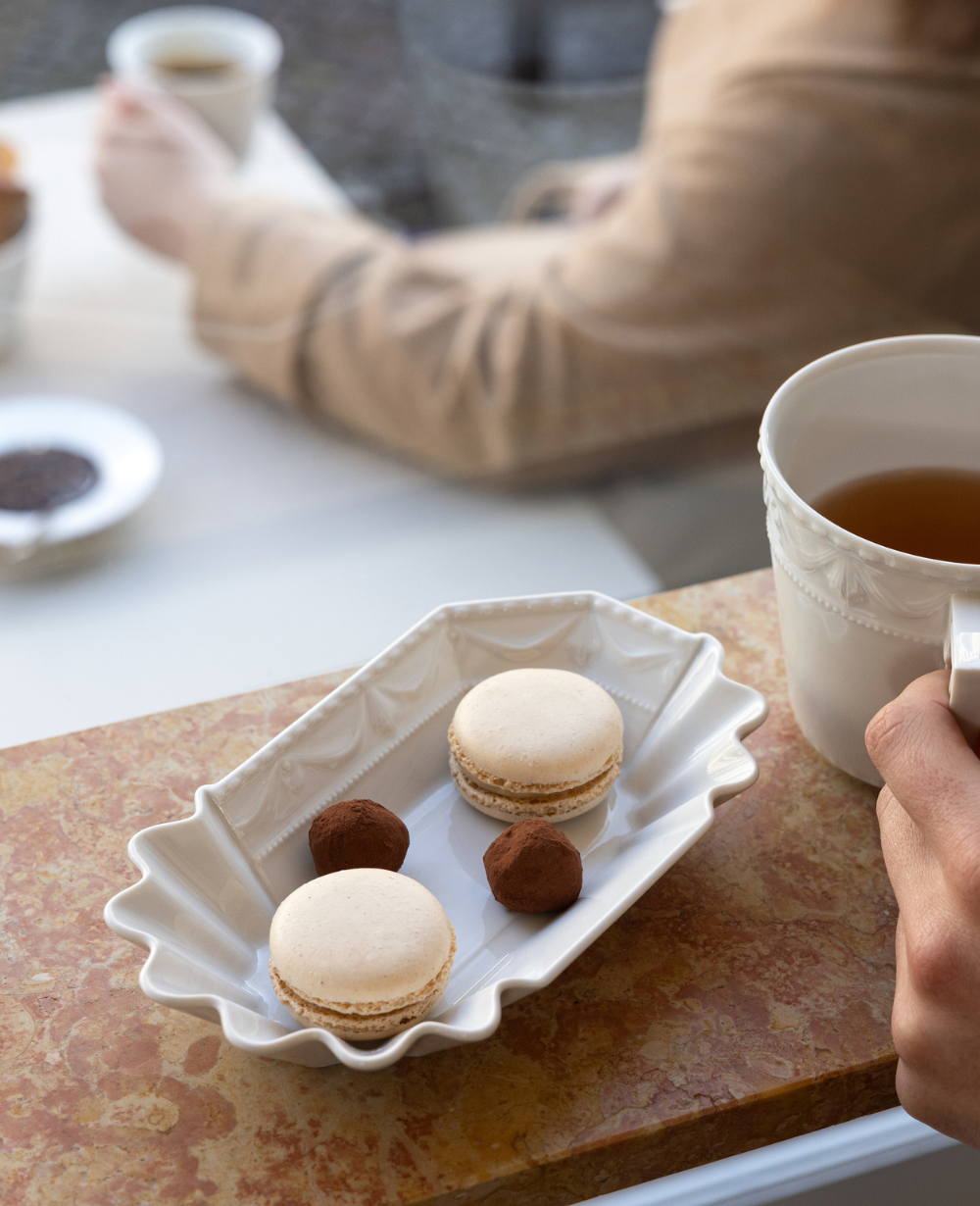
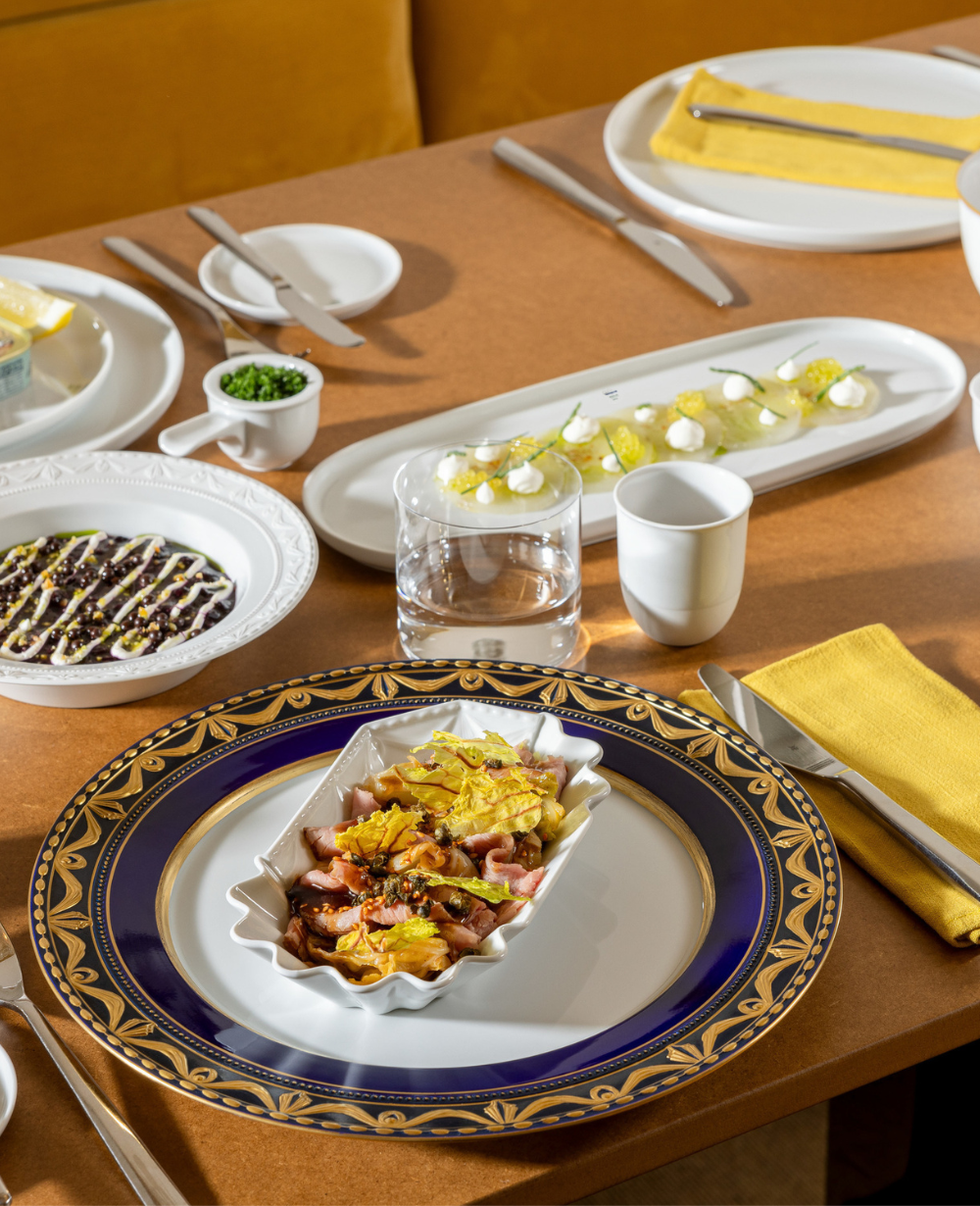
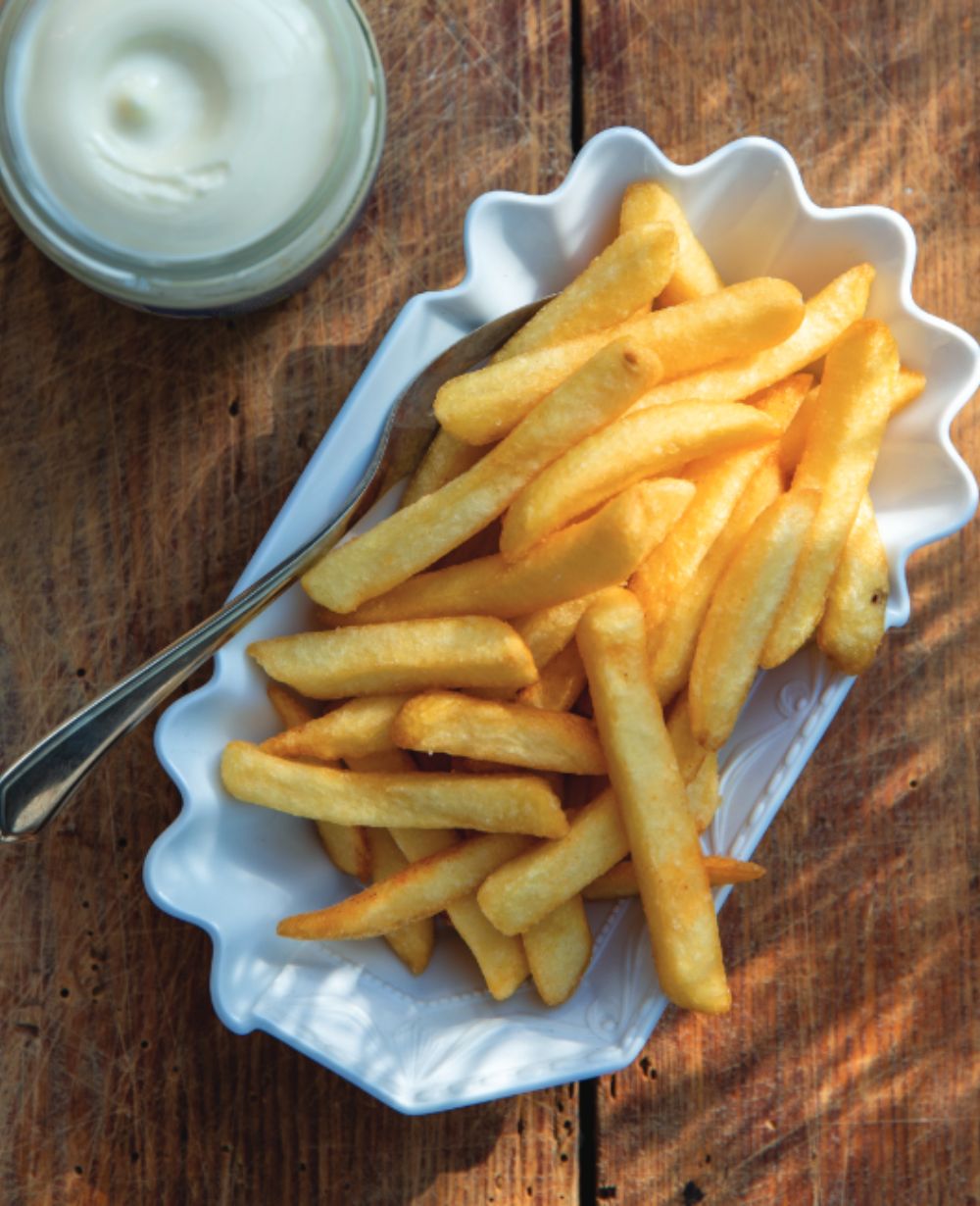
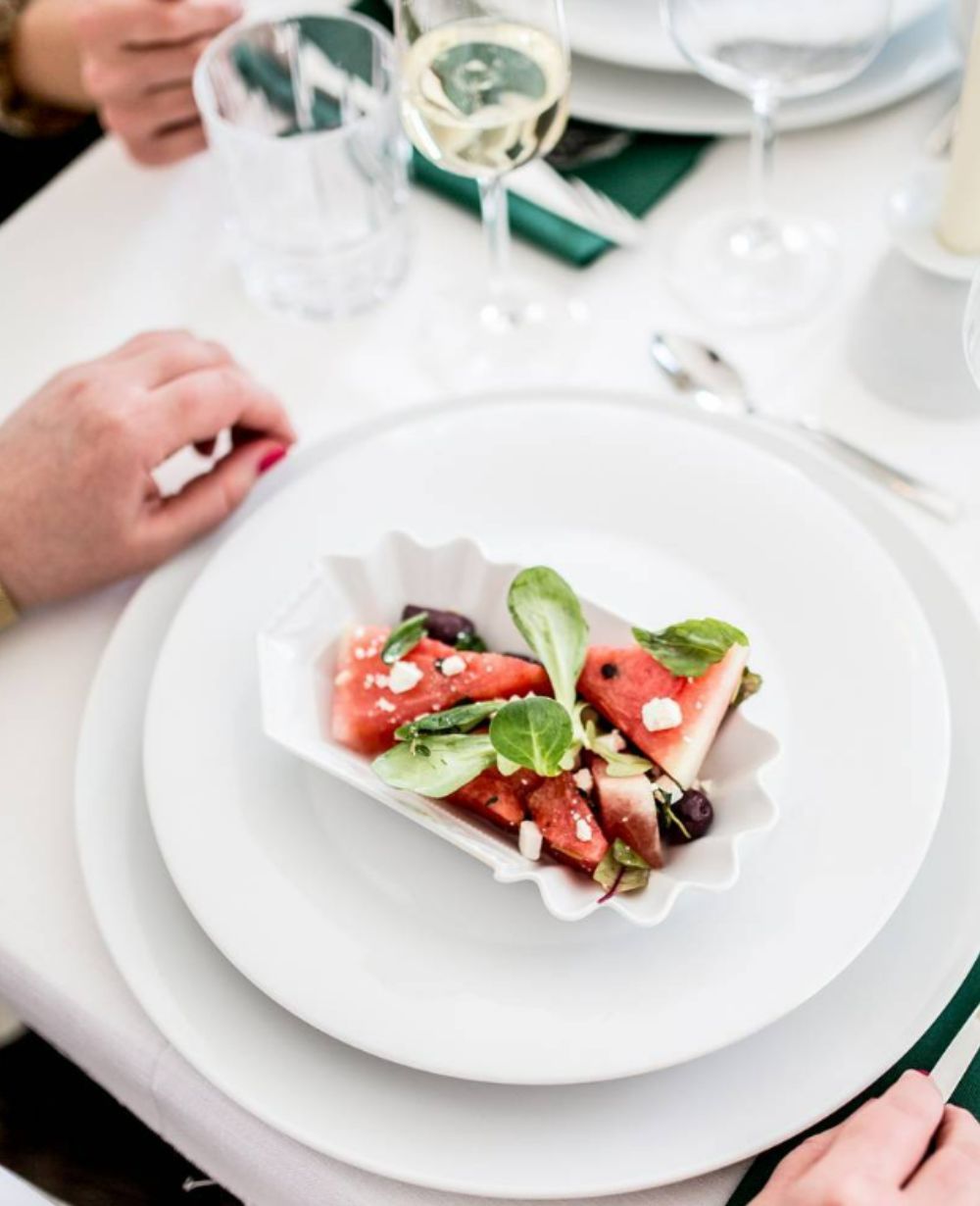
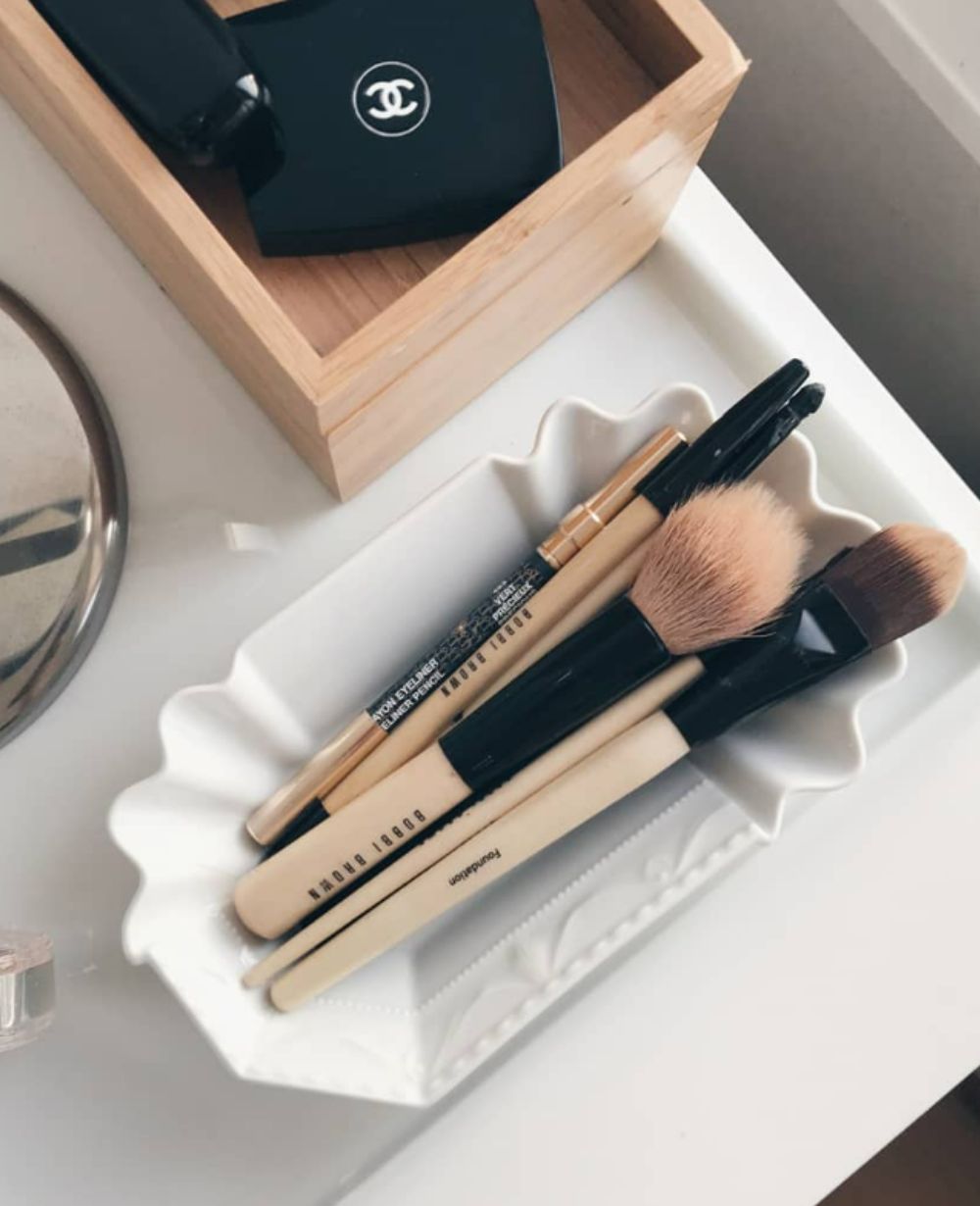
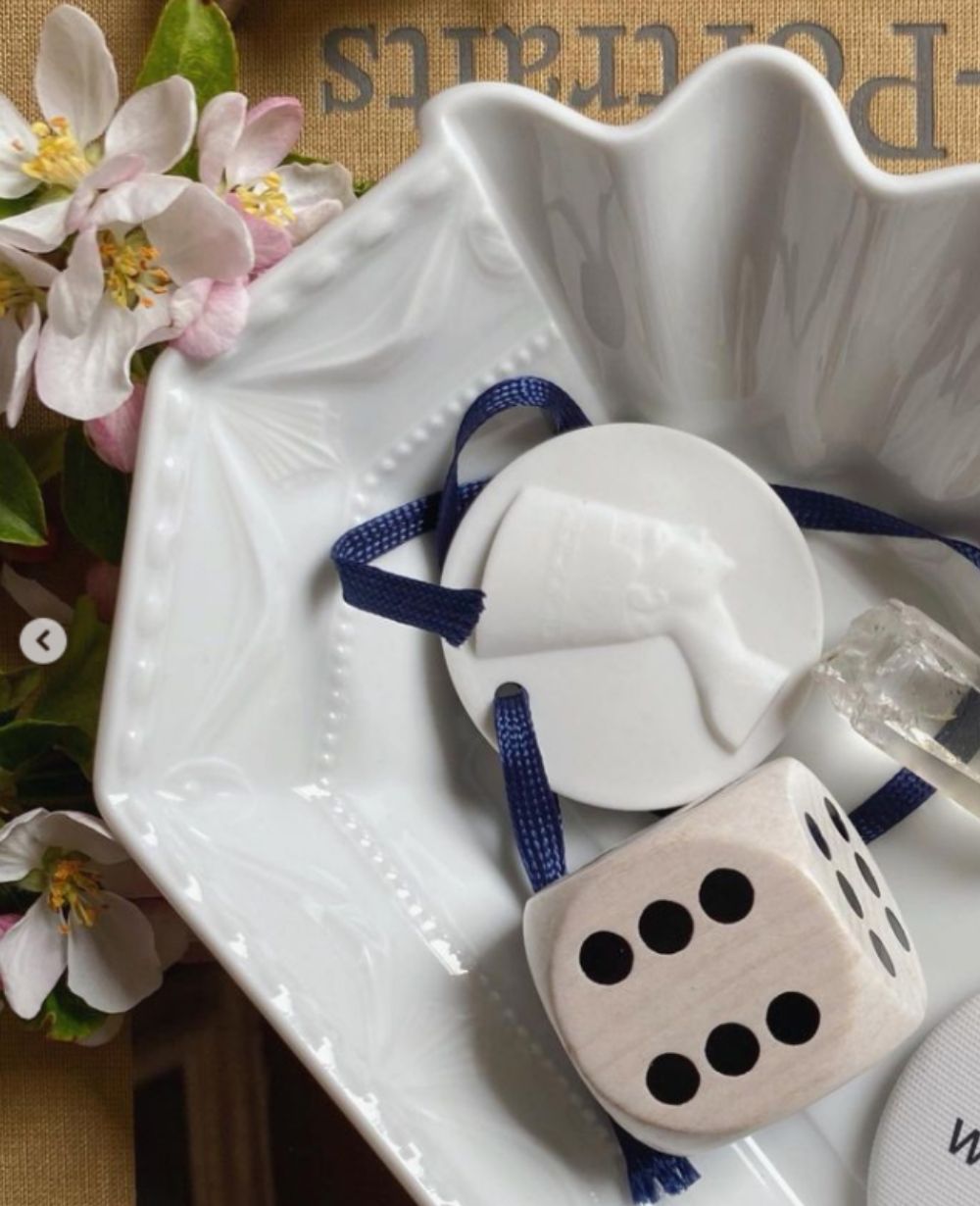
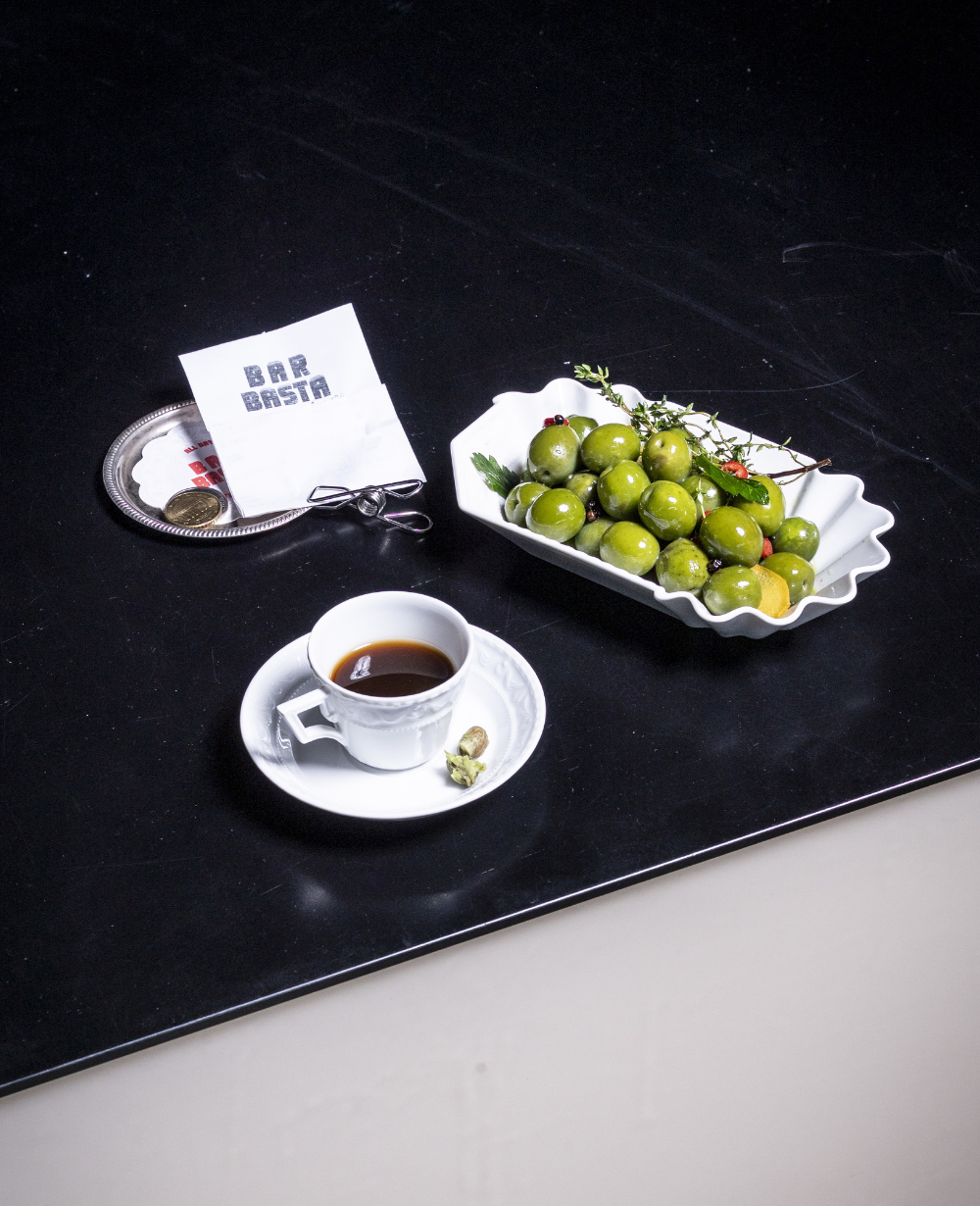
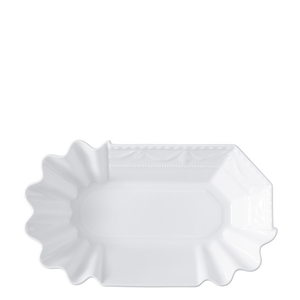
To mark the 225th anniversary of the famous KURLAND collection in 2015, KPM Berlin expanded its best-selling line to include a stylish porcelain currywurst bowl. The design by chief designer Thomas Wenzel blends the wavy shape of the classic paper bowl into the signature KURLAND relief, thus bridging the gap between fast food and haute cuisine, sustainability, and craftsmanship.
Impressions