


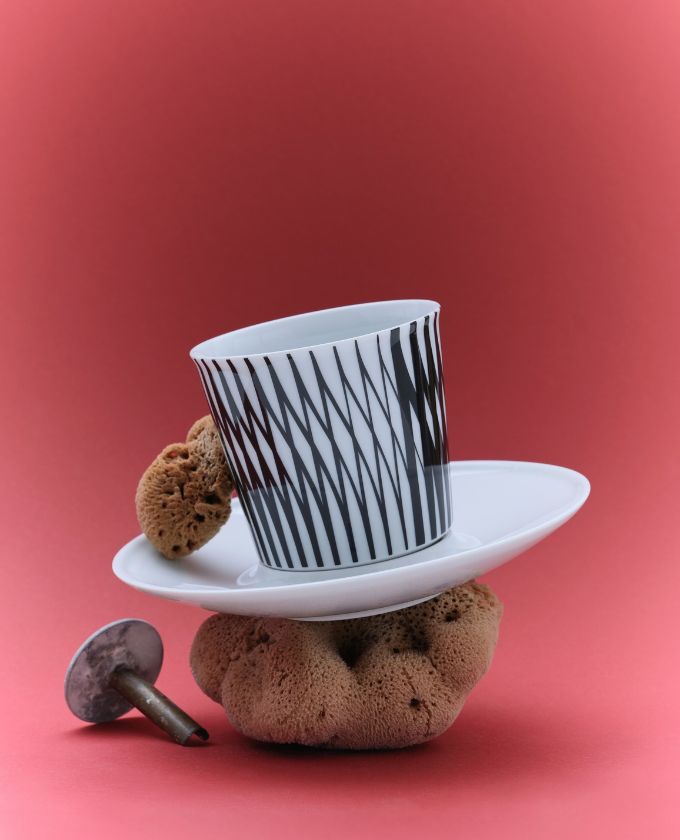
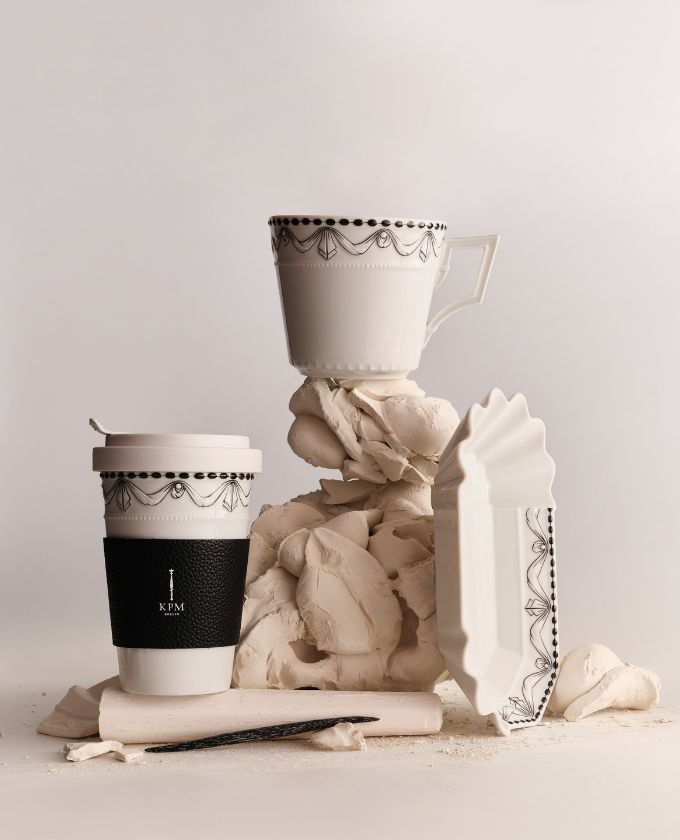
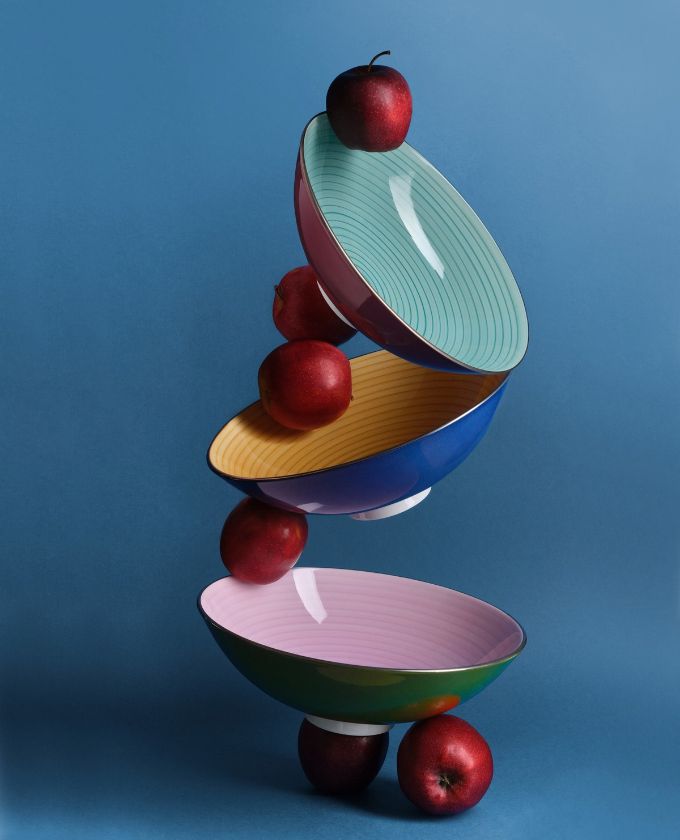
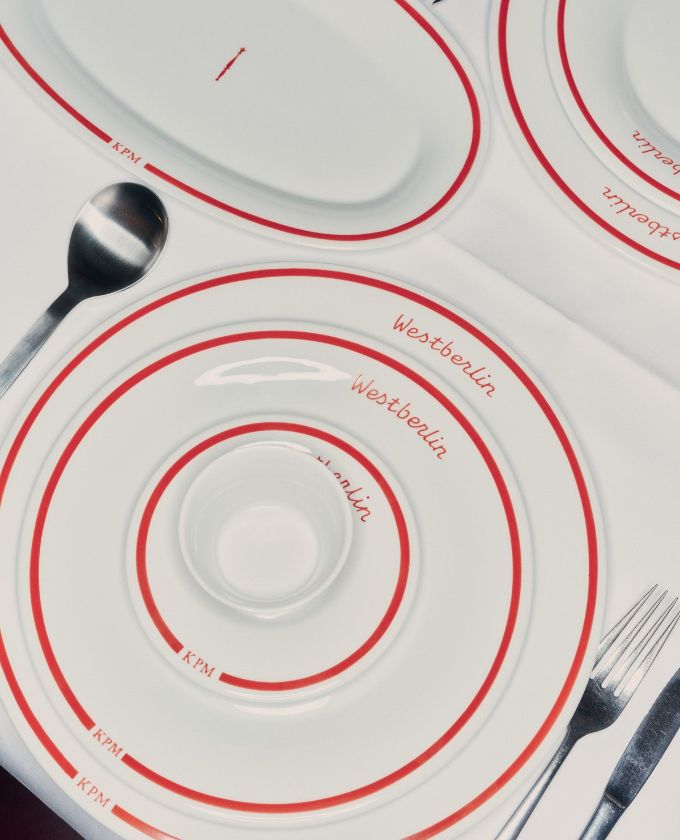


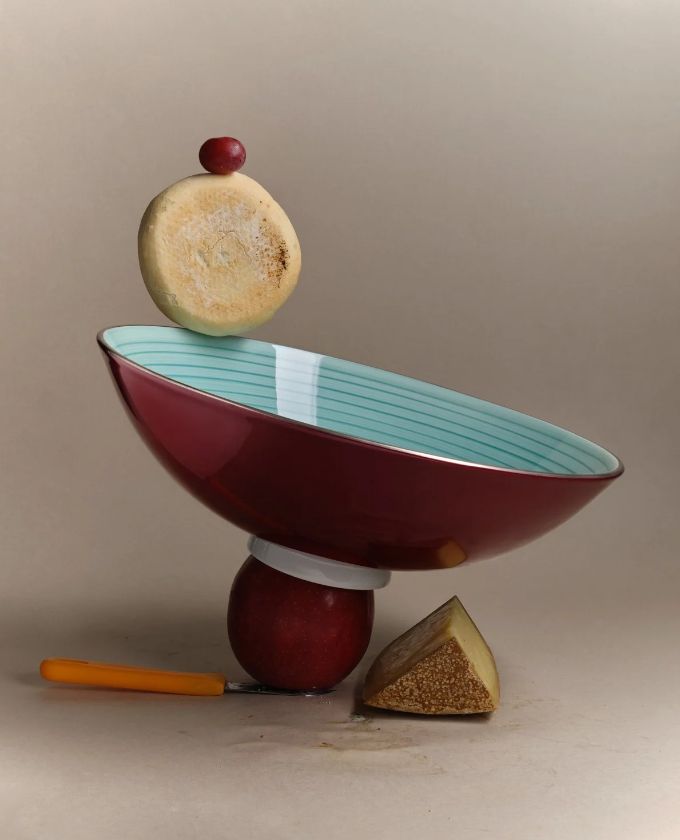
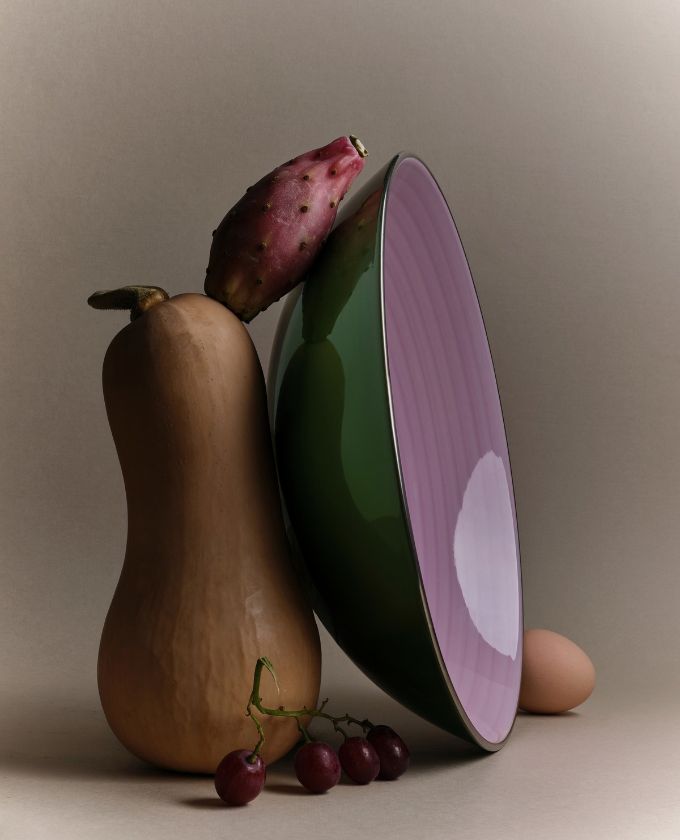


Tadan was founded in 2022 by Stella von Senger, Sebastian Hoffmann, and Cecil von Renner and works with spaces, objects, and art. In this role as "decorators," they design apartments and installations and conceive exhibitions—including in the shop windows of KaDeWe. They understand spaces, their objects, and light as a narrative medium that goes beyond a classical understanding of decoration.
New
KPM+ Tadan Horse Power
Includes sales tax, plus shipping
Pickup from the KPM flagship store at BERLIN in Berlin is currently not available
KPM+ Tadan Horse Power
KPM " BERLIN " Flagship Store in Berlin
Pickup is not available at this time
Wegelystraße 1
, 10623 Berlin,
, Germany
KPM " BERLIN " Pavilion on Kurfürstendamm, Berlin
Pickup is not available at this time
Kurfürstendamm 32,
, 10719 Berlin,
, Germany
KPM BERLIN Store on Friedrichstraße in Berlin
Pickup is not available at this time
Friedrichstraße 158
10117 Berlin
Germany
KPM Berlin Düsseldorf Store
Pickup is not available at this time
Vereinsbank-Passage, Martin-Luther-Platz 32,
, next to Café Heinemann,
, 40212 Düsseldorf,
, Germany
KPM " BERLIN " Store in Hamburg
Pickup is not available at this time
Neuer Wall 13
Mellin-Passage
20354 Hamburg
Germany
KPM " BERLIN " Store in Cologne
Pickup is not available at this time
Brückenstraße 19
at the DISCH-HAUS
50667 Cologne
Germany
KPM " BERLIN " Store in Potsdam
Pickup is not available at this time
Brandenburger Straße 3
, 14467 Potsdam,
, Germany
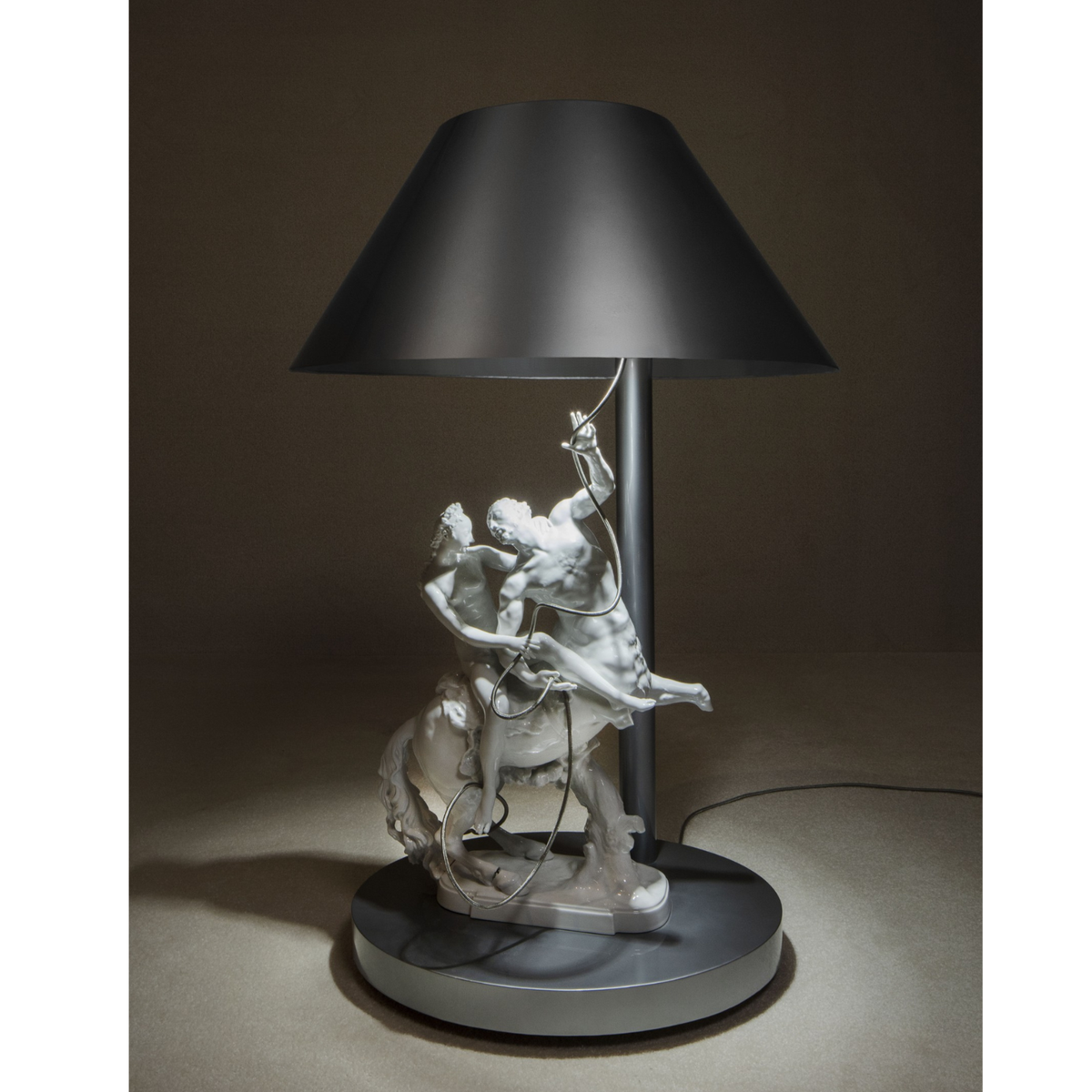
Königliche Porzellan-Manufaktur , Berlin, has created the two-part work “Horse Power” in collaboration with Tadan. The starting point for these two one-of-a-kind pieces are the porcelain figurines “Centaur and Nymph” and “Triton Embracing a Nereid” by Paul Scheurich (1883–1945). The porcelain figures were left in their original archival condition. Thus, material losses, firing cracks, and missing sections were not restored but accepted as part of the objects’ history. The housings for the white figures are steel structures custom-made by Vinter Design, whose formal reference to classic table lamps is evident only in their silhouette: The surfaces are finished with silver-colored Ferrari paint (“Aluminio Lucido”), and the integrated lighting technology is not designed for practical illumination. Instead, it serves to accentuate the sculptural appearance. At the same time, the larger of the two objects, “Centaur and Nymph,” is so massive that it distorts the conventional relationship between the lamp and the space to absurd proportions. “Horse Power” straddles the line between historical porcelain sculpture, installation, and lighting. The works utilize the medium of light not in the sense of functional product design, but as a means of shifting perception, scale, and expectations of use. The objects retain their sculptural character while simultaneously entering an expanded realm of meaning. Both works are one-of-a-kind pieces.
- Item Number 50954500
- Handcrafted in Berlin
- Designer: TADAN
- Year: 2026
Dimensions
- Length: 230 mm
- Width: 95 mm
- Height: 362 mm
- Weight: 2.75 kg
Care
Designer: TADAN
Year: 2026
Material: Porcelain
Have your porcelain gift-wrapped in royal blue paper with an elegant white bow. To do so, add "Gift Wrapping" to your selection in the shopping cart.

You can also include a greeting card with your order, which we can handwrite with your personal message upon request.
New
KPM+ Tadan Horse Power