Product description
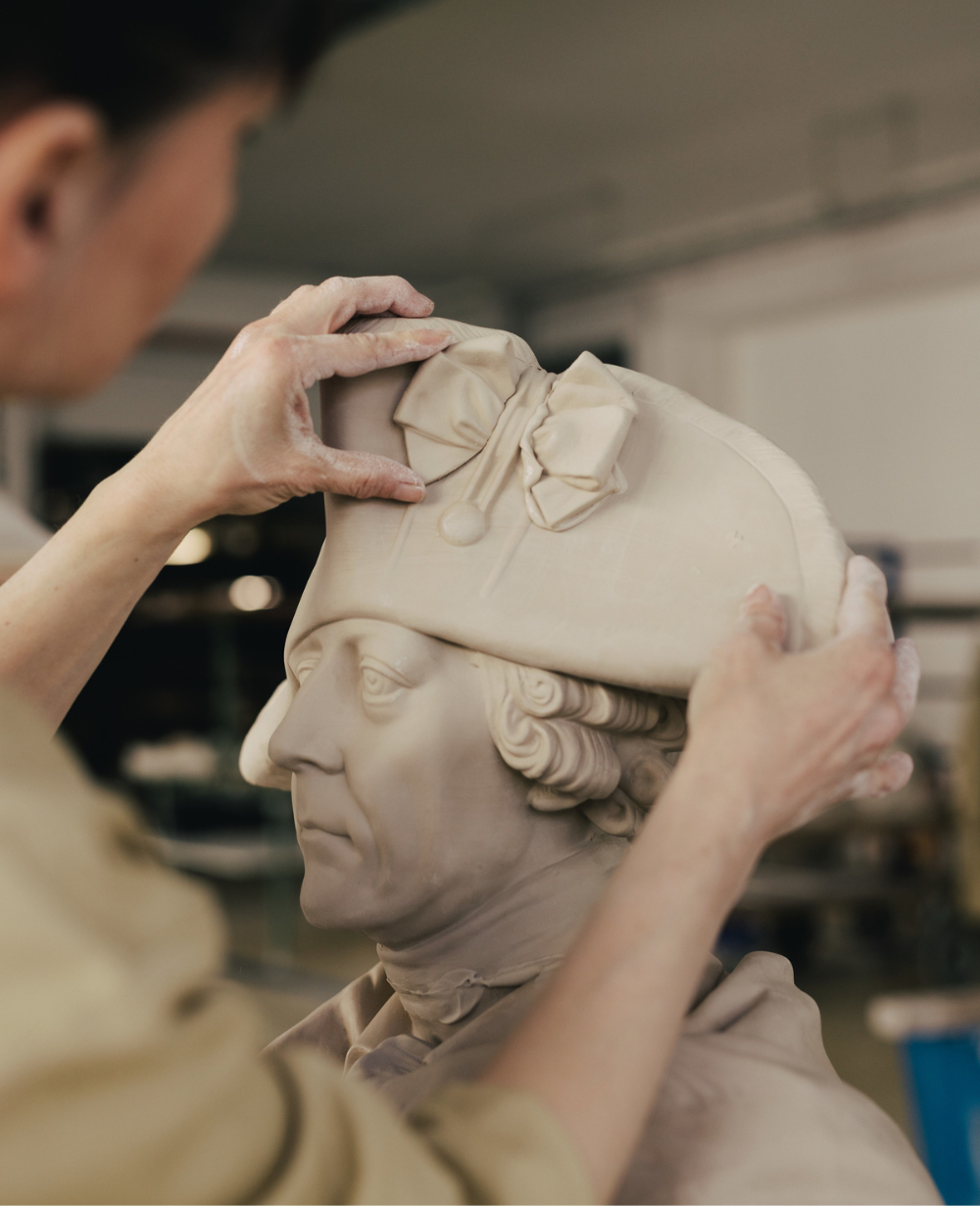
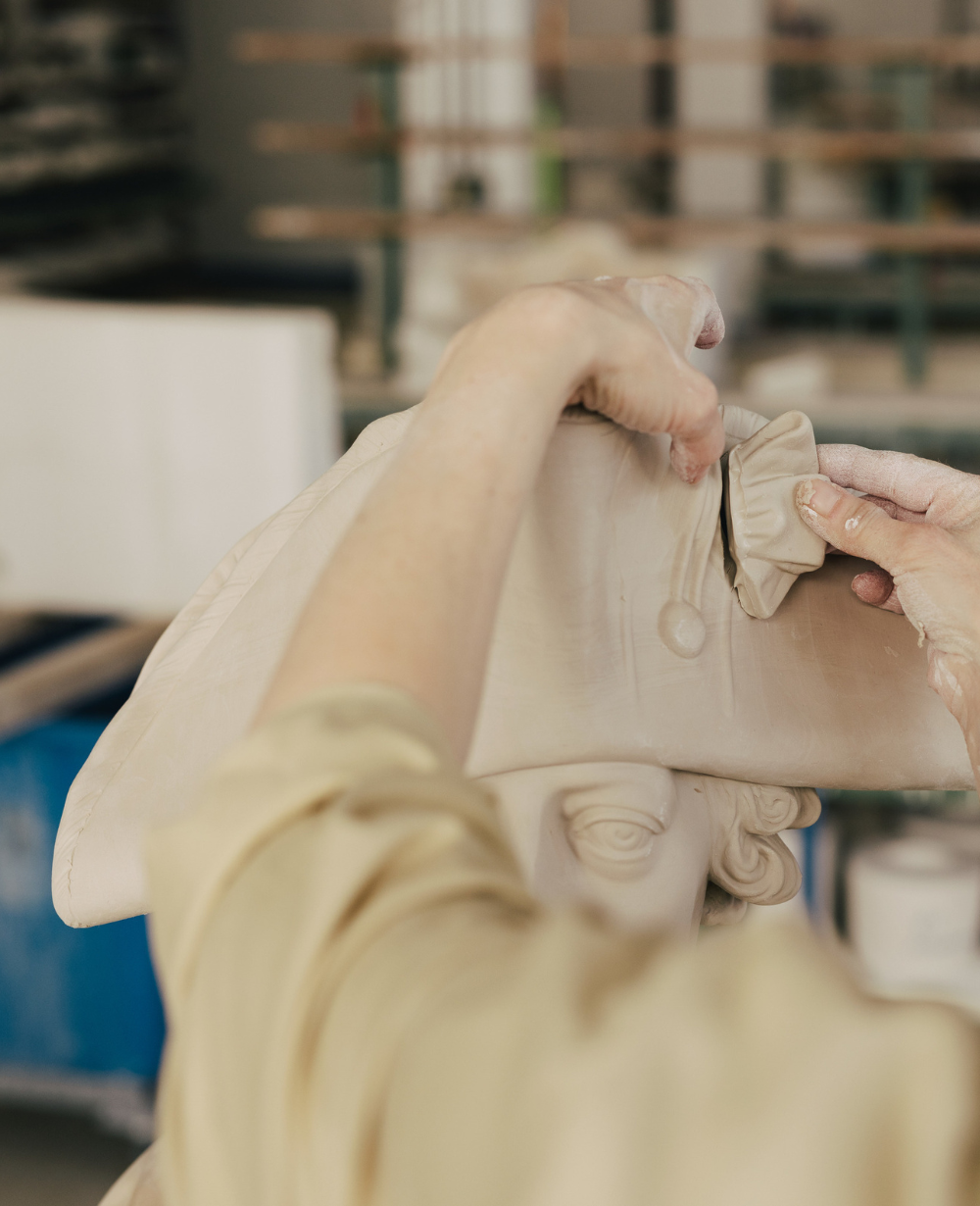
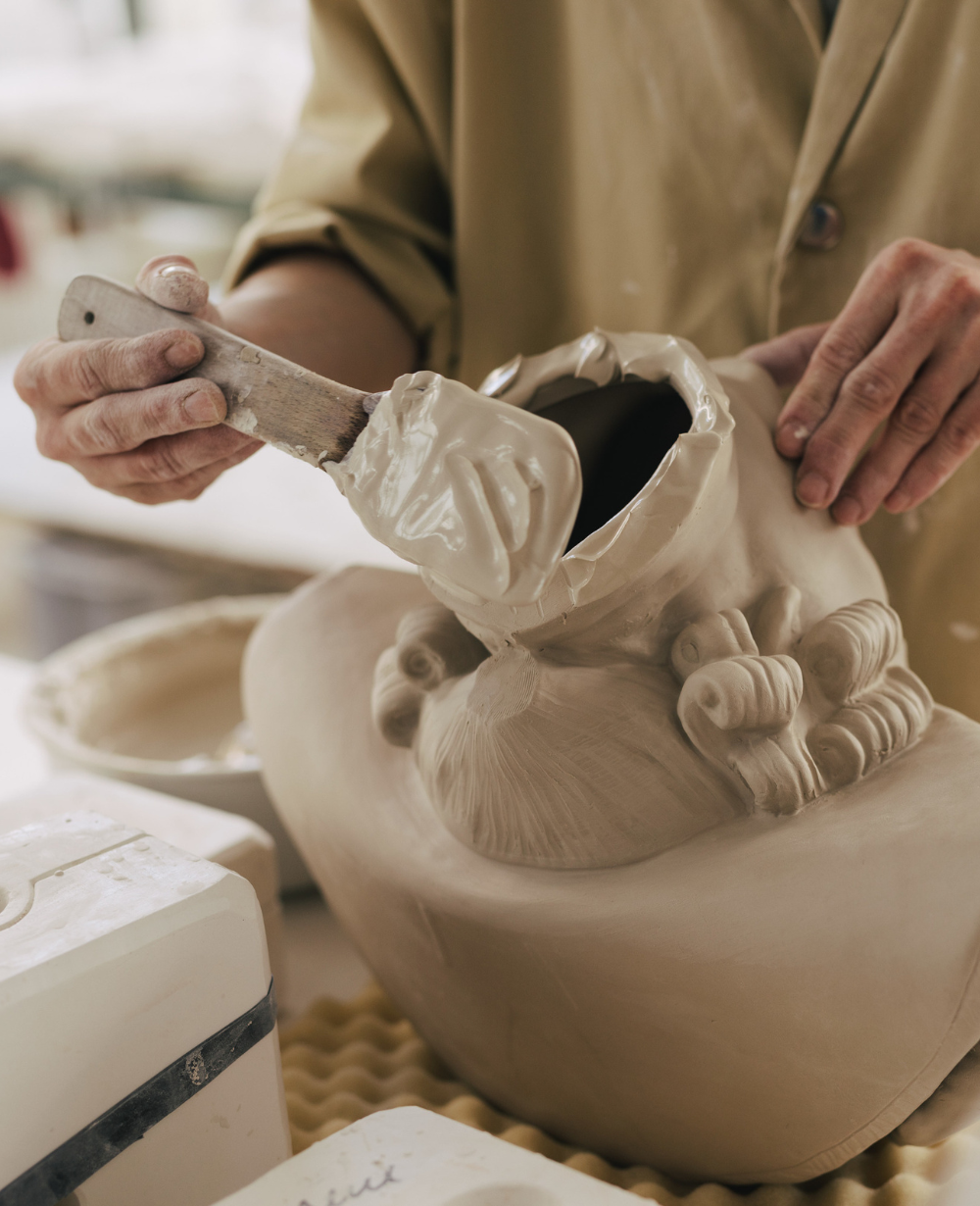
In 1851, the Royal Porcelain Manufactory in Berlin produced a 45-cm-tall porcelain portrait bustII. part of an equestrian statue based on a design by Christian Daniel Rauch.
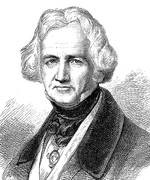
On May 31, 1851, the bronze monumentII. horseback—standing nearly 14 meters tall and created by sculptor Christian Daniel Rauch over the course of 10 years—was ceremoniously unveiled on the Unter den Linden boulevard. Exactly at the historic spot where Electress Dorothea is said to have planted the first linden tree—and where the triumphal arch stood during the young Queen Luise’s entry into Berlin— Frederick Great’s equestrian statue was erected 65 years after his death. It was commissioned by the Prussian King Frederick IV and represented the pinnacle of Rauch’s artistic career. In addition to the honor bestowed by the king, Rauch was also Halle diplomas and honorary doctorates from the universities of Berlin and Halle , and a celebration was held in his honor with 230 invited guests.
The porcelain bust II. ER II. still crafted by hand today at the historic manufactory site in Berlin’s Tiergarten. For the Berlin Porcelain Manufactory, Frederick Great was not only significant as the King of Prussia and a military commander, but also, upon acquiring the manufactory in 1763, its owner and founder. Until his death in 1786, he guided the company’s fortunes with great personal dedication. He personally commissioned 21 richly decorated dinner services to furnish his palaces. The porcelain also served as an important tool of his politics and diplomacy when given as a state gift. He bestowed the title “royal” upon the porcelain manufactory and granted it the scepter from the coat of arms of the Electorate of Brandenburg as its trademark, which is still used today.