product
1182990565
de
false
61123002597
https://www.kpm-berlin.com/products/kurland-becher-latte-macchiato-gr-2-individuell
16096295092604
KURLAND Latte Macchiato Mug, Size 2
125.00
https:files/155061C-999_KURLAND_Latte_Macchiato_Mug_Size_2_Personalized_Name_Sententia_Black_6400x6400_e6350279-4f6f-4c44-b74f-bef4e59408ab.png
https:files/155061C-999_KURLAND_Latte_Macchiato_Mug_Size_2_Personalized_Name_Sententia_Black_6400x6400_e6350279-4f6f-4c44-b74f-bef4e59408ab.png
EUR
InStock
Medium-Sized Mug
391948894437
Mug
667652522364
Gifts for Coffee & Tea Connoisseurs
668149481852
Anniversary Gifts
668148531580
Wedding Gifts
505072419083
Coffee & Tea Mugs
391949320421
KPM Custom
391947616485
KURLAND
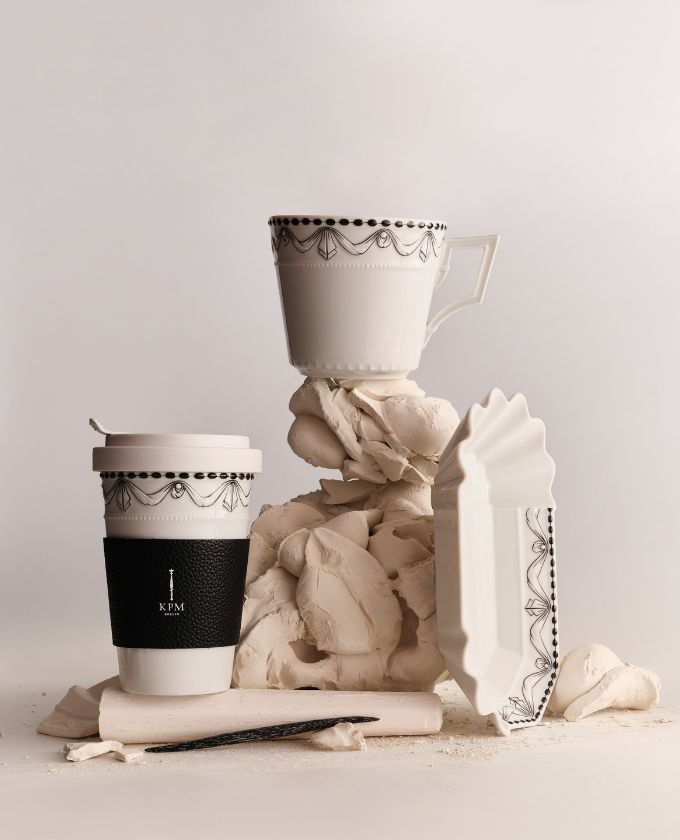
The Latte Macchiato mug was developed in 2015 to mark the 225th anniversary of the KURLAND —it is the perfect combination of tradition and modernity. When designing the mug, Chief Designer Thomas Wenzel drew inspiration from the slender shape of faceted glasses traditionally used for preparing latte macchiato or cold brew coffee. With a capacity of 0.3L, the mug makes a striking impression.
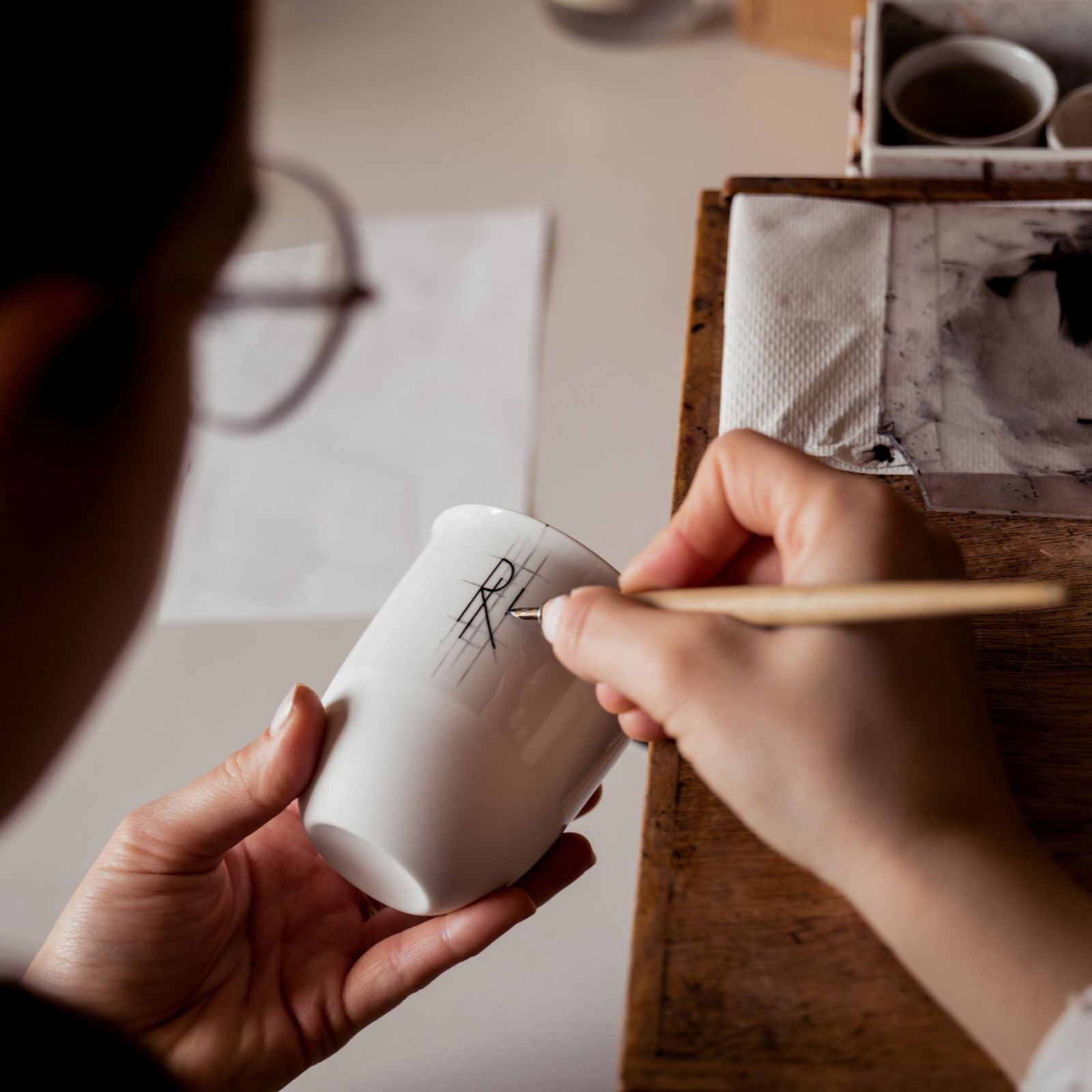
The customization process draws on the centuries-old craftsmanship of porcelain painting, in which KPM’s master painters apply the desired lettering or monogram with the utmost precision. The iconic “ KURLAND ” relief can also be customized in the color of your choice. Let your creativity run wild—by combining color and personalization, you can create a one-of-a-kind piece of special value.
Note: The personalization of your porcelain is carried out by a painter with the utmost care and precision after you’ve reviewed the 3D visualization. Since this artisanal craft is traditionally carried out exclusively by hand in our workshop, every painted porcelain piece is a one-of-a-kind, handcrafted item. As a result of this entirely manual painting process, the final design on the porcelain may differ slightly from the visualization in the configurator. Since personalized porcelain is crafted according to your specific wishes, it cannot be exchanged.
KURLAND
CPMugs
CPGiftsWedding
CPGiftsAnniversary
CPGiftsCoffee
CPCustom
CP Coffee & Tea Mugs
CP Kurland
hideInstantSearchPrice
I
KURLAND
PA1:Mugs
PA2:Coffee & Tea Mugs
SORT:First Sort
top sellers
Add to Cart
57357731365244
Default Title
125.00
https://files/155061C-999_KURLAND_Latte_Macchiato_Mug_Size_2_Personalized_Name_Sententia_Black_6400x6400_e6350279-4f6f-4c44-b74f-bef4e59408ab.png
https://www.kpm-berlin.com/products/kurland-becher-latte-macchiato-gr-2-individuell?variant=57357731365244
InStock
Default Title