






The short answer: like aromatherapy. There is a very specific reason why the porcelain painting smells of lavender, aniseed, orange and countless other fragrances, which we reveal to you here!

What does it actually smell like at KPM Meistermalerei? | KPM Berlin
WHAT DOES IT ACTUALLY SMELL LIKE IN THE KPM MASTER PAINTING STUDIO?
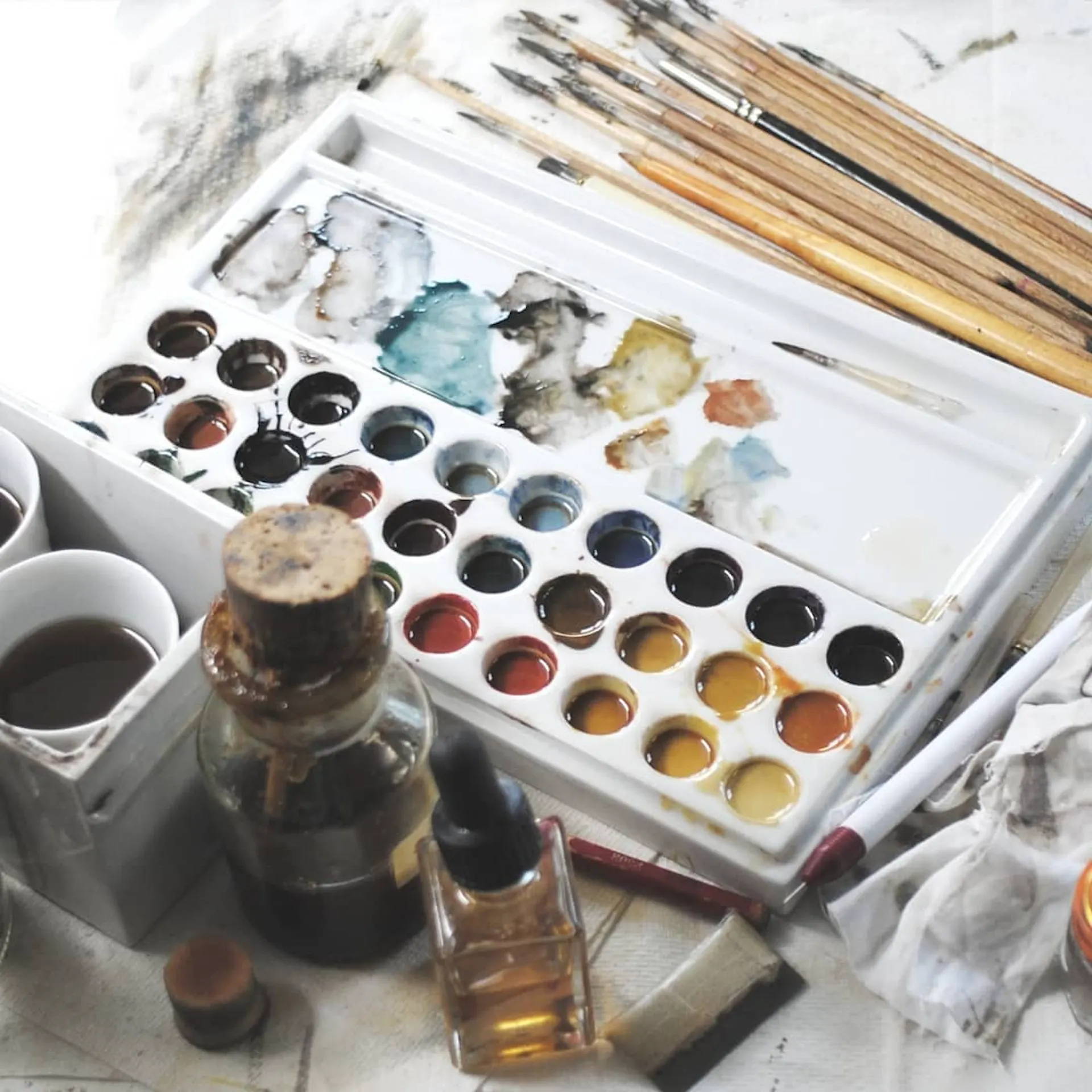
Königliche Porzellan-Manufaktur takes you on an olfactory journey behind the scenes of the historic walls that have guarded the secrets of Berlin porcelain production since 1763. During the elaborate process—perfected down to the last detail—of transforming three natural raw materials—kaolin, feldspar, and quartz—into exquisite objects for the table, dining, and home décor, the experts are surrounded by numerous distinctive scents. The unique fragrance bouquet of Berlin porcelain is particularly evident in the masterful painting work of this traditional manufactory.
The master painters at the Royal Porcelain Manufactory create a special atmosphere: The painters sit at their workstations in bright rooms, highly concentrated, creating veritable works of art. Between countless green plants, they paint the porcelain by hand - making each piece unique!
There is a simple reason why it smells so good: the KPM master painters mix the powdery color pigments with natural oils. Clove or lavender oils, for example, are particularly suitable for liquefying the paint - and the calming effect of lavender is certainly a welcome side effect, after all, the porcelain painters need a steady hand.
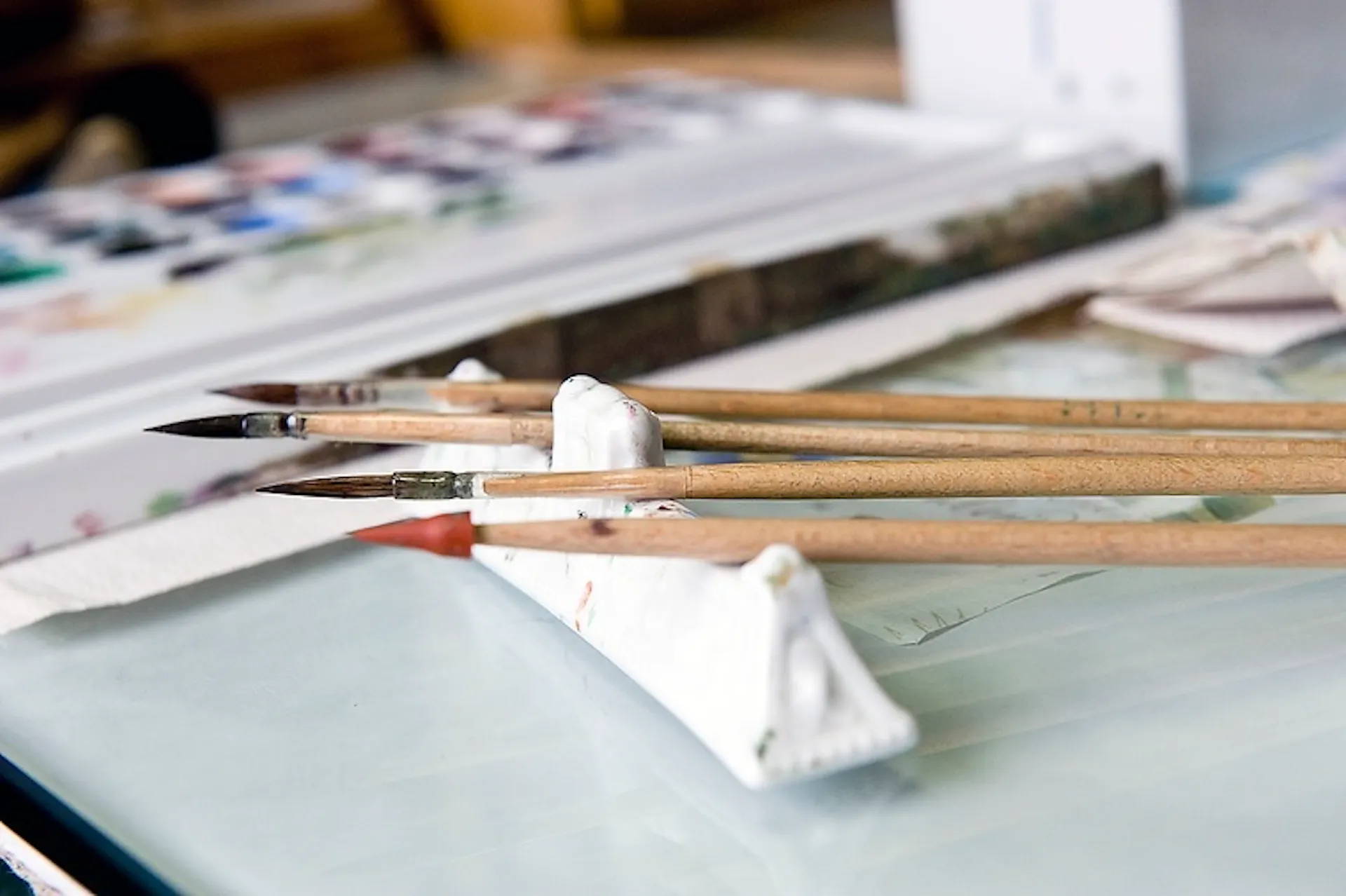
In the final firing stage, the so-called muffle firing, the color changes once again when it fuses with the glaze. A porcelain painter needs a lot of experience - and a great deal of skill - to know which colors to mix and use and how they will develop after firing.
The fragrance of the manufactory between heritage and today
The scent of the Royal Porcelain Manufactory Berlin now fills your own cozy home as a scented candle, bringing the fascinating charm of its place of origin. Inspired by the porcelain pieces from the “ KURLAND ” (1790) and “LAB” (2016) collections, the fresh fragrance composition “Edition WEISS” tells the story of the porcelain manufactory—which has been in existence for over 250 years—blending heritage with modernity.
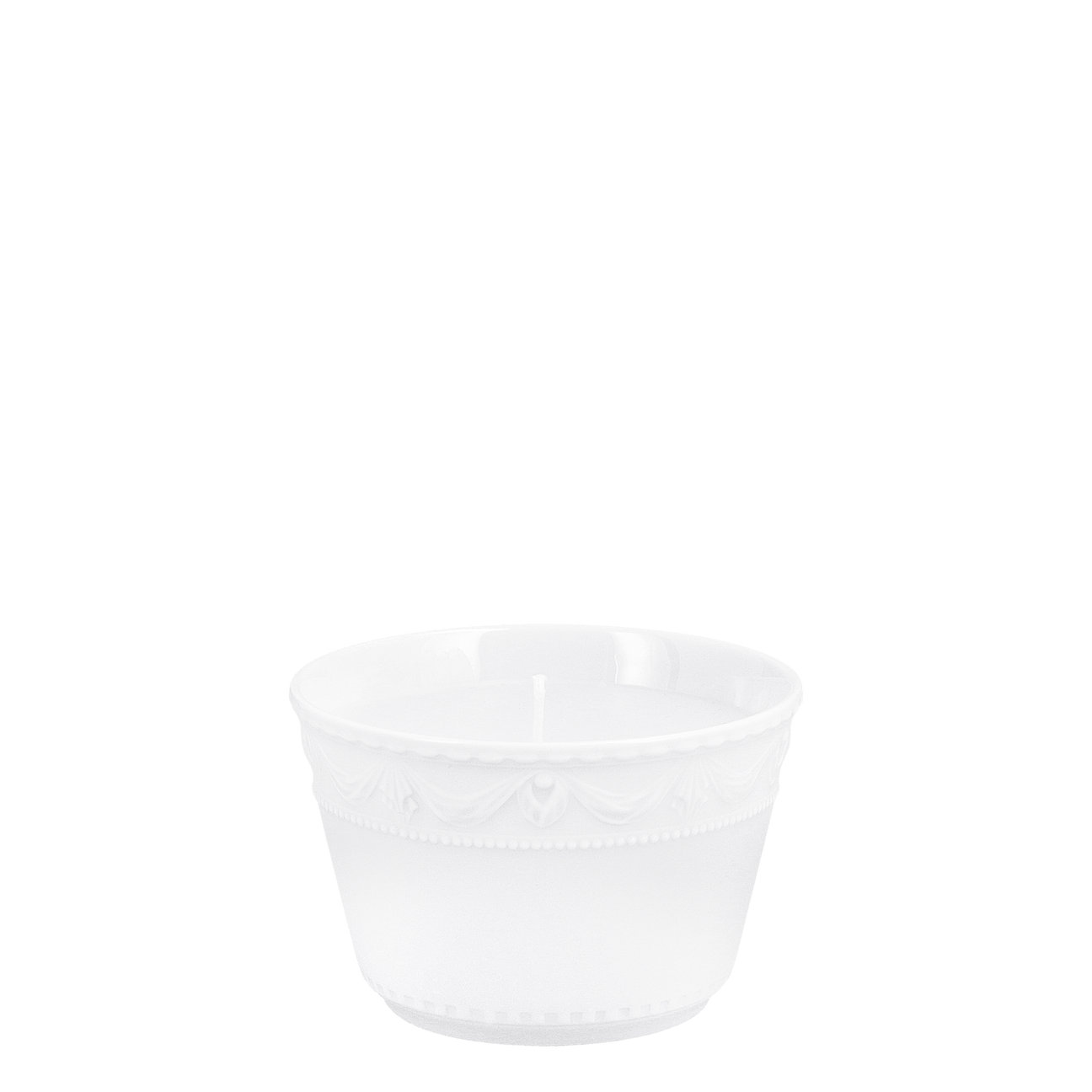
KURLAND Scented Candle, WHITE Edition
115,00€
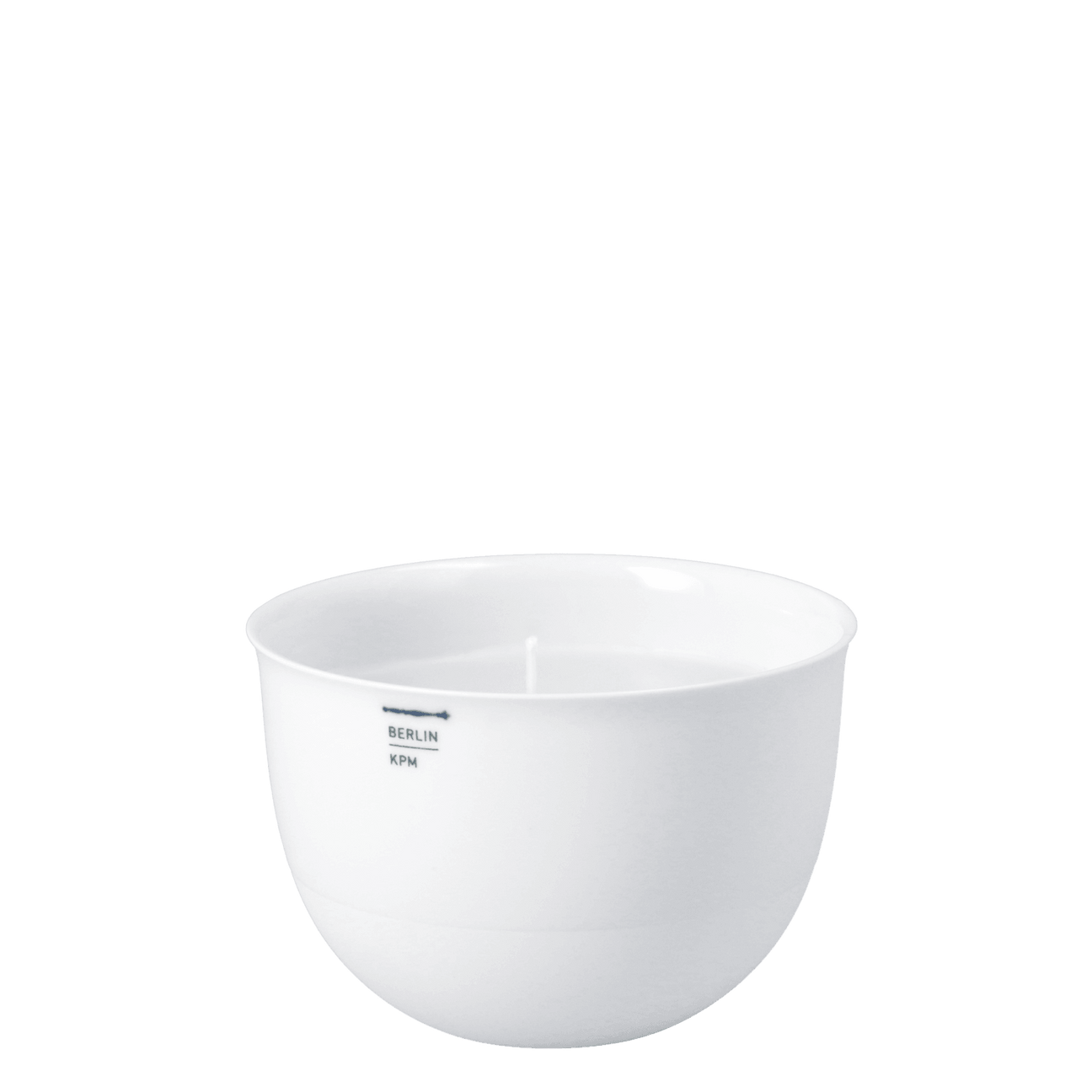
LAB Scented Candle Edition WHITE
115,00€
Share
Read more

How do you have breakfast in Charlottenburg?
HOW DO PEOPLE HAVE BREAKFAST IN CHARLOTTENBURG? Life in Charlottenburg is fit for a prince. That’s not just because of the castle that gives the neighborhood its name, but also because of the very distinctive lifestyle of the ...

Siegmund Schütz and the delicate medallions of the KPM Collection ARKADIA
SIEGMUND SCHÜTZ AND THE DELICATE MEDALLIONS OF THE KPM COLLECTION ARKADIA The KPM collection ARKADIA does more than just adorn your table. Thanks to Siegmund Schütz’s medallions, it transports you ...