







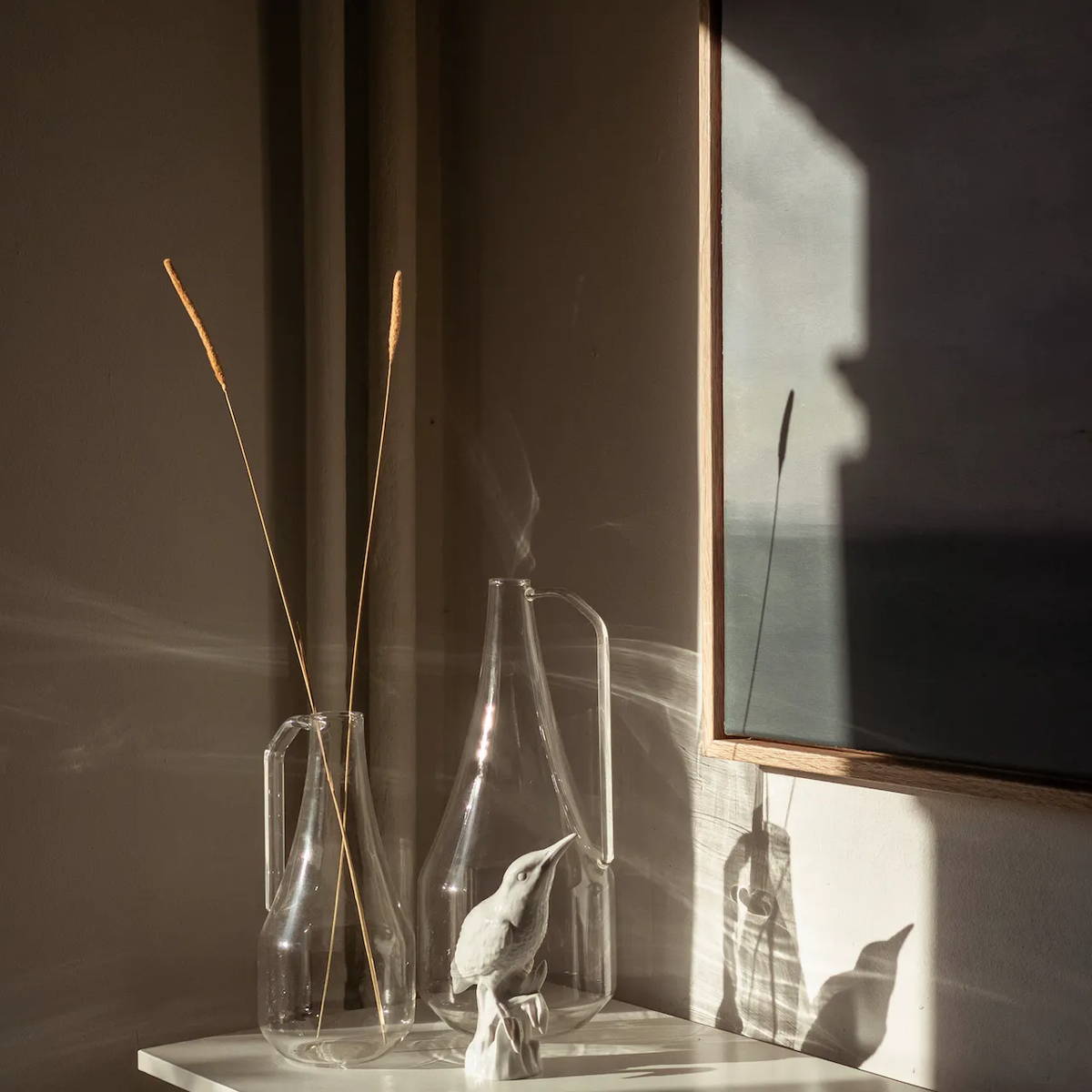
The little kingfisher perches on a branch with its beak stretched upwards. Handcrafted and naturalistic in its depiction, this eye-catcher is a fine decorative object for any room. The design was created by Johann Baptist Pedrozzi in 1765, who had been appointed modeler to the Royal Porcelain Manufactory in Berlin a year earlier and created a series of impressive life-size animal figures.
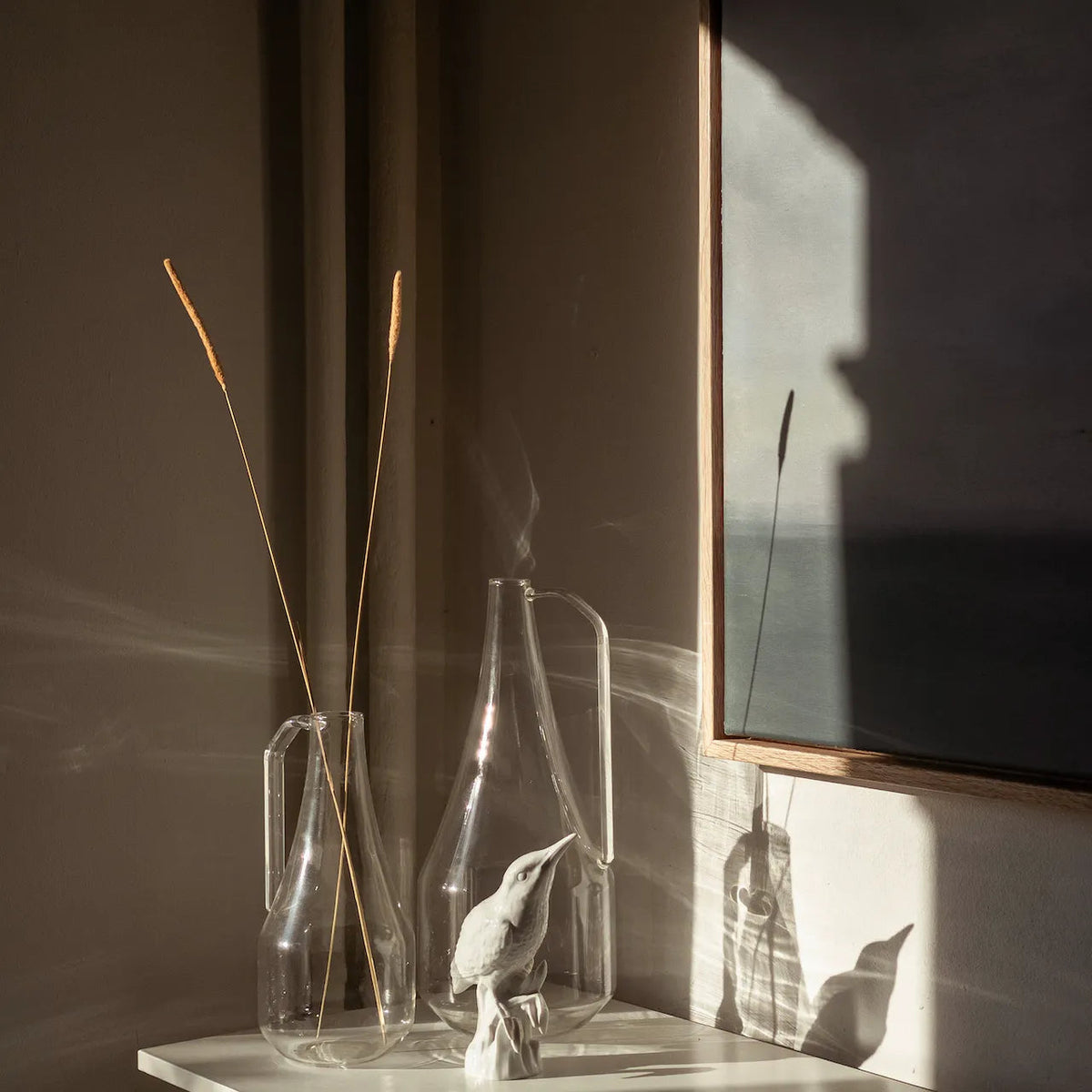
SMALL WITH A TWIST! - Handmade porcelain kingfisher
The kingfisher is like no other bird: as small as a sparrow, but unmistakable and beautiful with its bright blue or turquoise plumage. Bird experts are most likely to recognize the kingfisher by its call, a piercing, high-pitched whistle. Its main area of distribution is the tropics, where its colors are perfectly adapted to its surroundings.
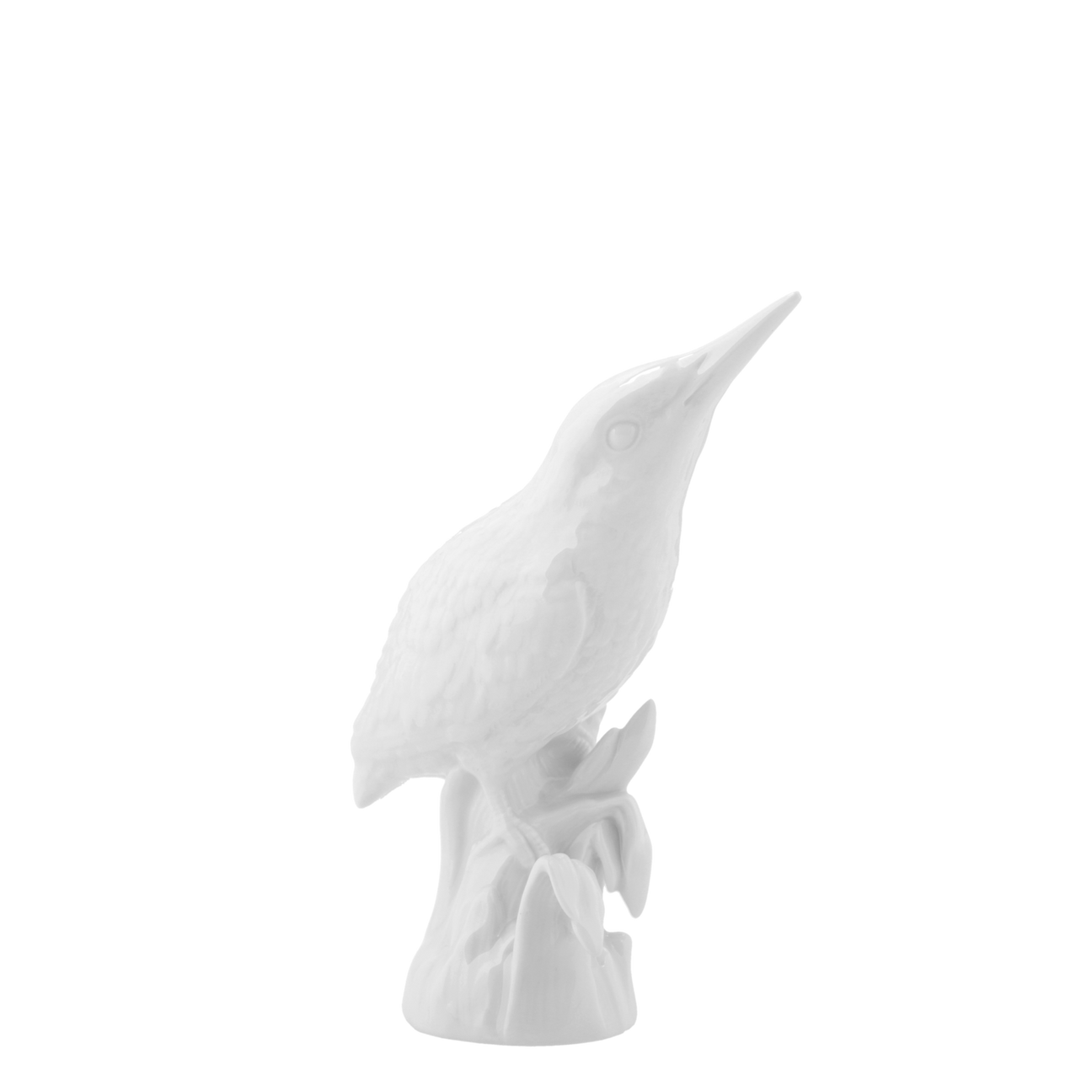
figure EISVOGEL
265,00€
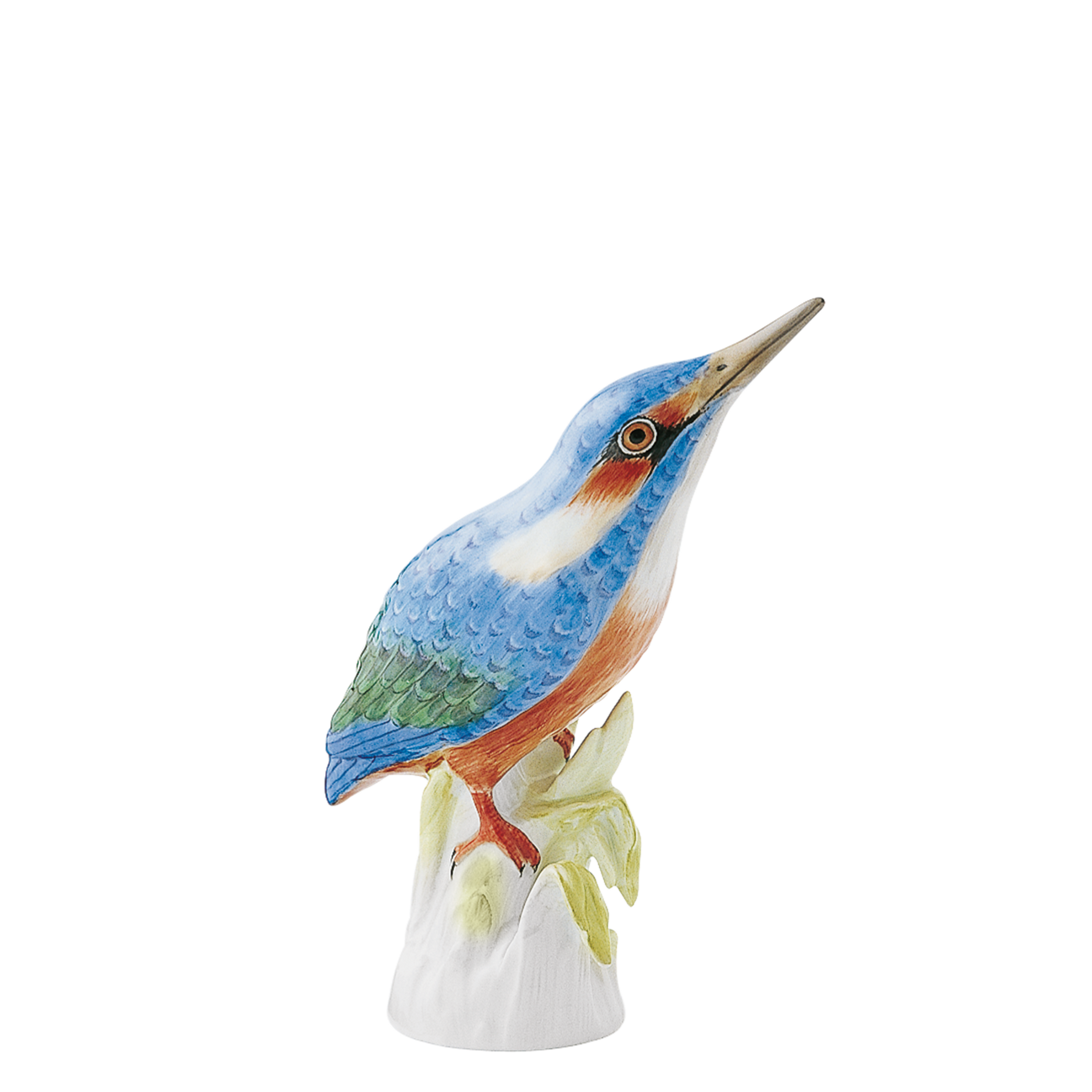
figure EISVOGEL
959,00€
The kingfisher can be spotted in the shade on the banks of a body of water, where it concentrates on looking for food. Like an arrow, it then dives into the water as soon as a fish is nearby and grabs it with its beak.
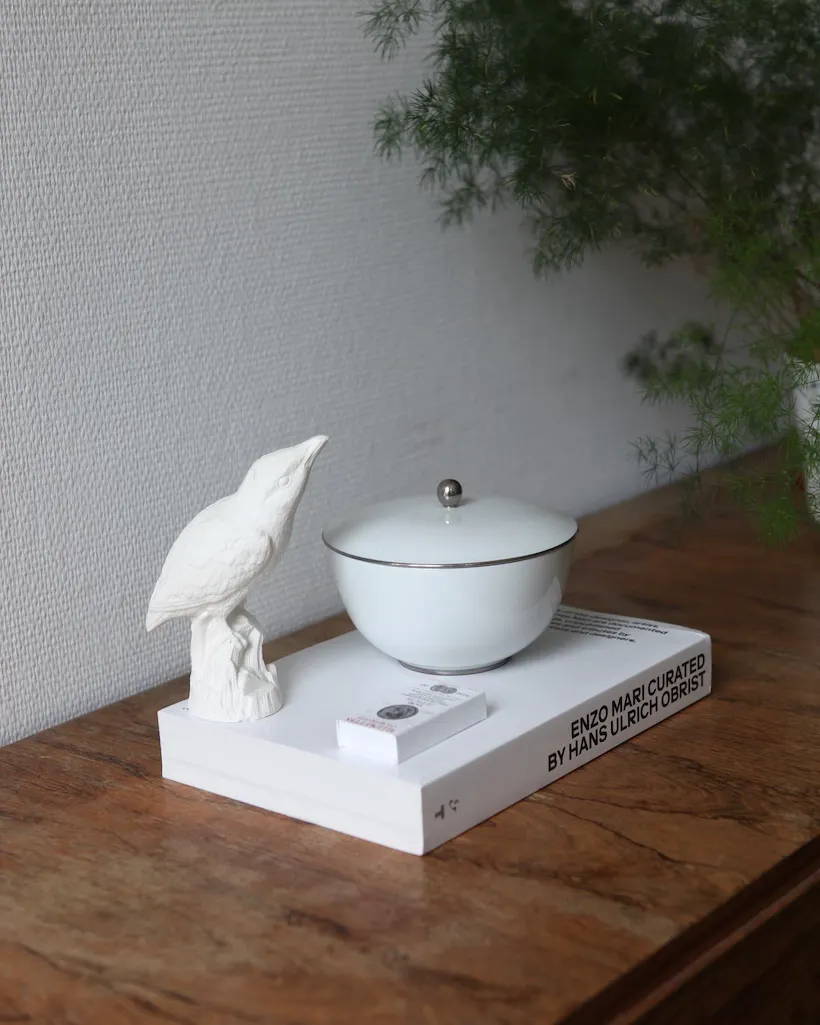
Whether all in white or painted in dazzling, colorful hues, the kingfisher is a true highlight in any interior, steeped in history. After all, the “ figure ” was created by Pedrozzi over 250 years ago. He had previously worked as a stucco artist in the service of the Margrave of Bayreuth, for whom he artistically designed the rooms of the New Palace in Eremitage Park as well as the large palace in the city center, also known as the New Palace. In Potsdam, he was involved in the decoration of the New Palace. For the “ KPM Berlin ,” he created a series of impressive, life-size animal figures.
Share
Read more
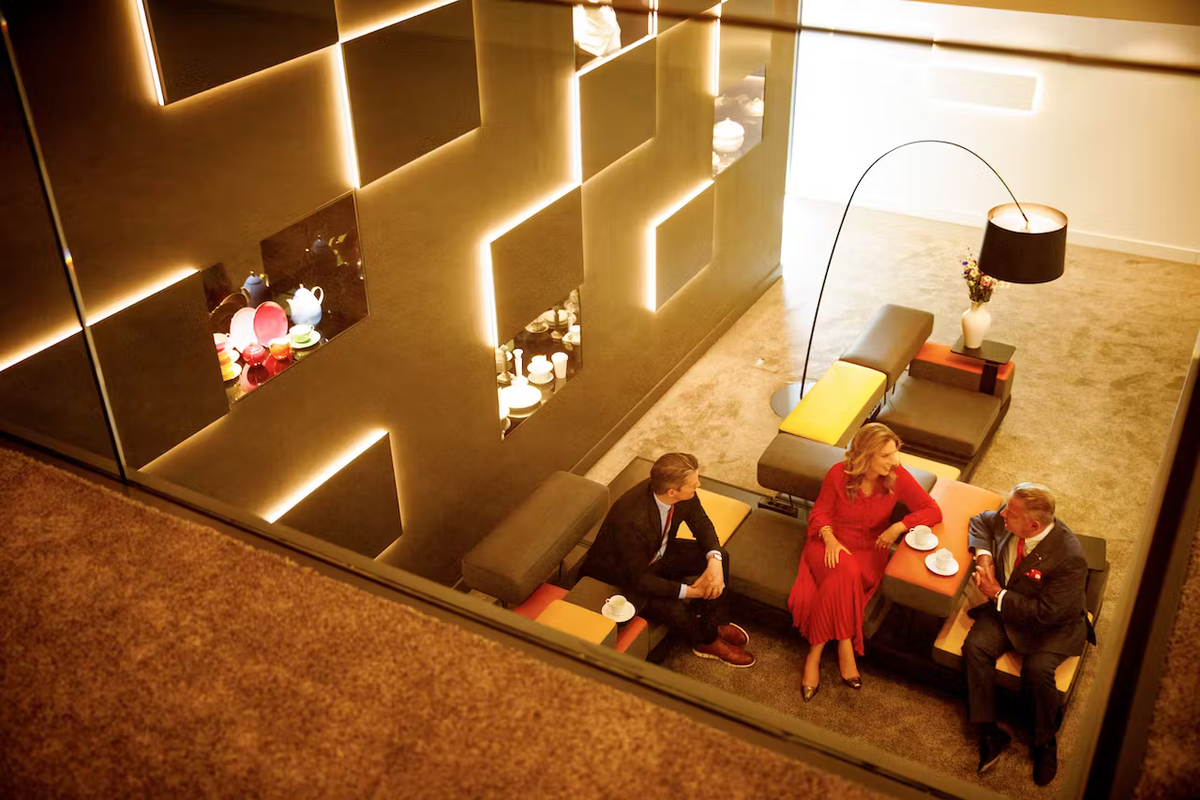
Woltmann meets house friends Alice & Kilian Jay von Seldeneck
WOLTMANN MEETS ALICE & KILIAN JAY VON SELDENECK, FRIENDS OF THE HOUSE Alice & Kilian Jay von Seldeneck are passionate about buying and selling porcelain at auction. Jörg Woltmann, owner...
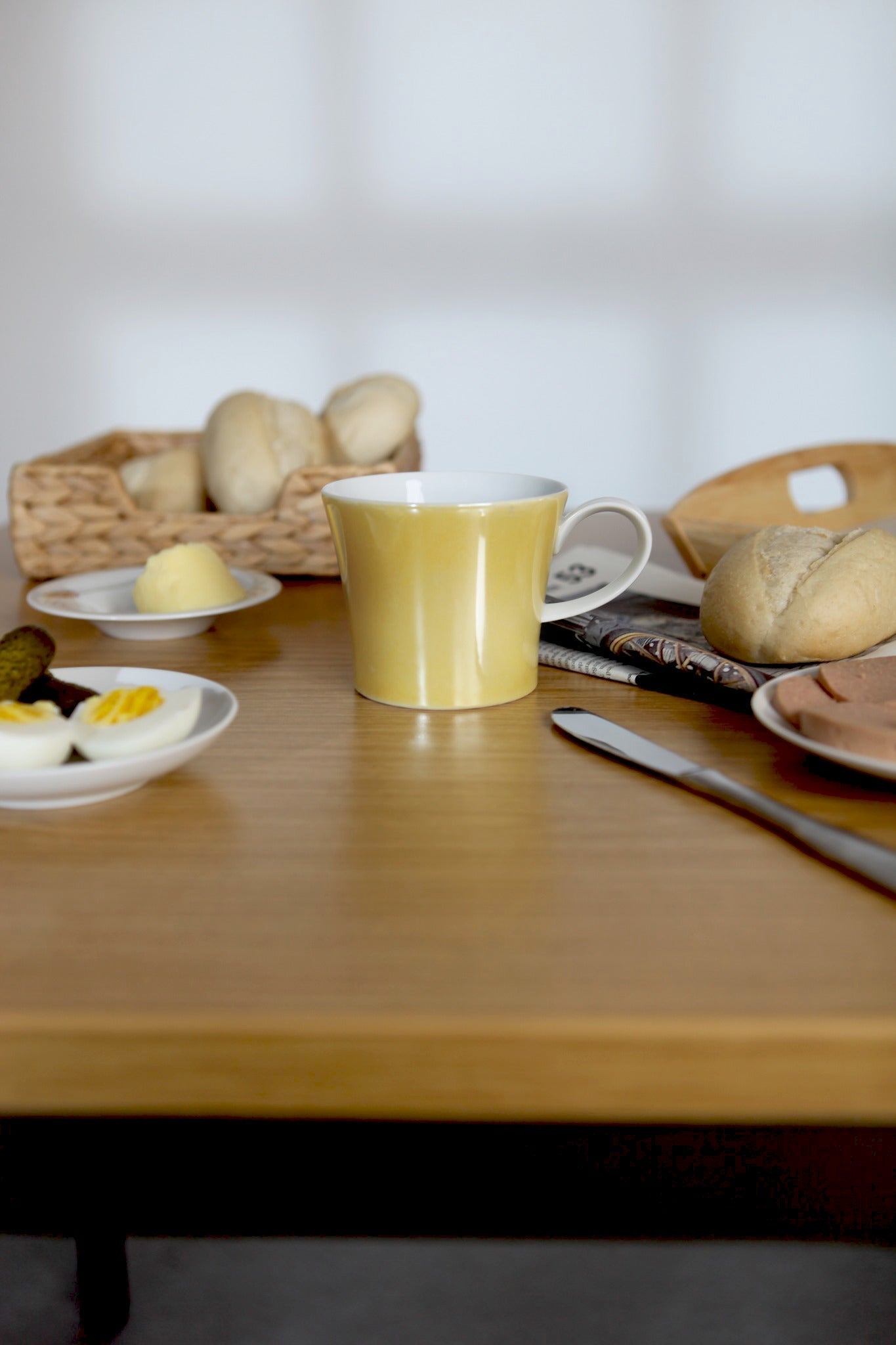
What's breakfast like in Lichtenberg?
HOW DO YOU HAVE BREAKFAST IN LICHTENBERG? Tough on the o bowl, soft on the inside: at first glance, Lichtenberg might seem a little unwieldy—quite large, gray, and rough. But a closer look is worth it...