






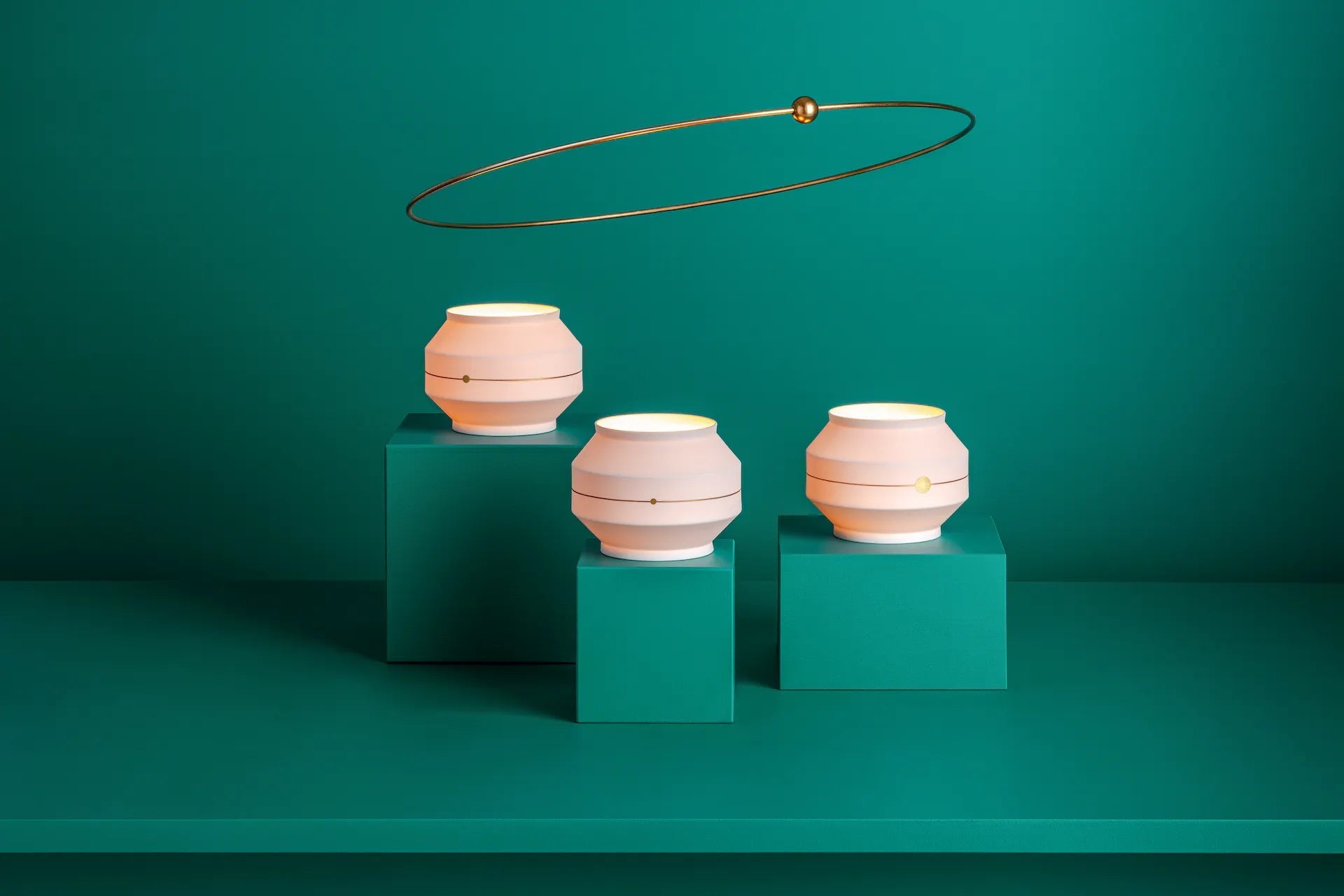
In collaboration with the Berlin Porcelain Manufactory ( KPM Berlin ), Mark Braun designed PLANETARIUM, a “ lantern ” series of almost otherworldly beauty. An interesting feature from the KPM customer magazine WEISS No. 4...
Light from This World— lantern —a series by KPM Berlin
LIGHT FROM THIS WORLD
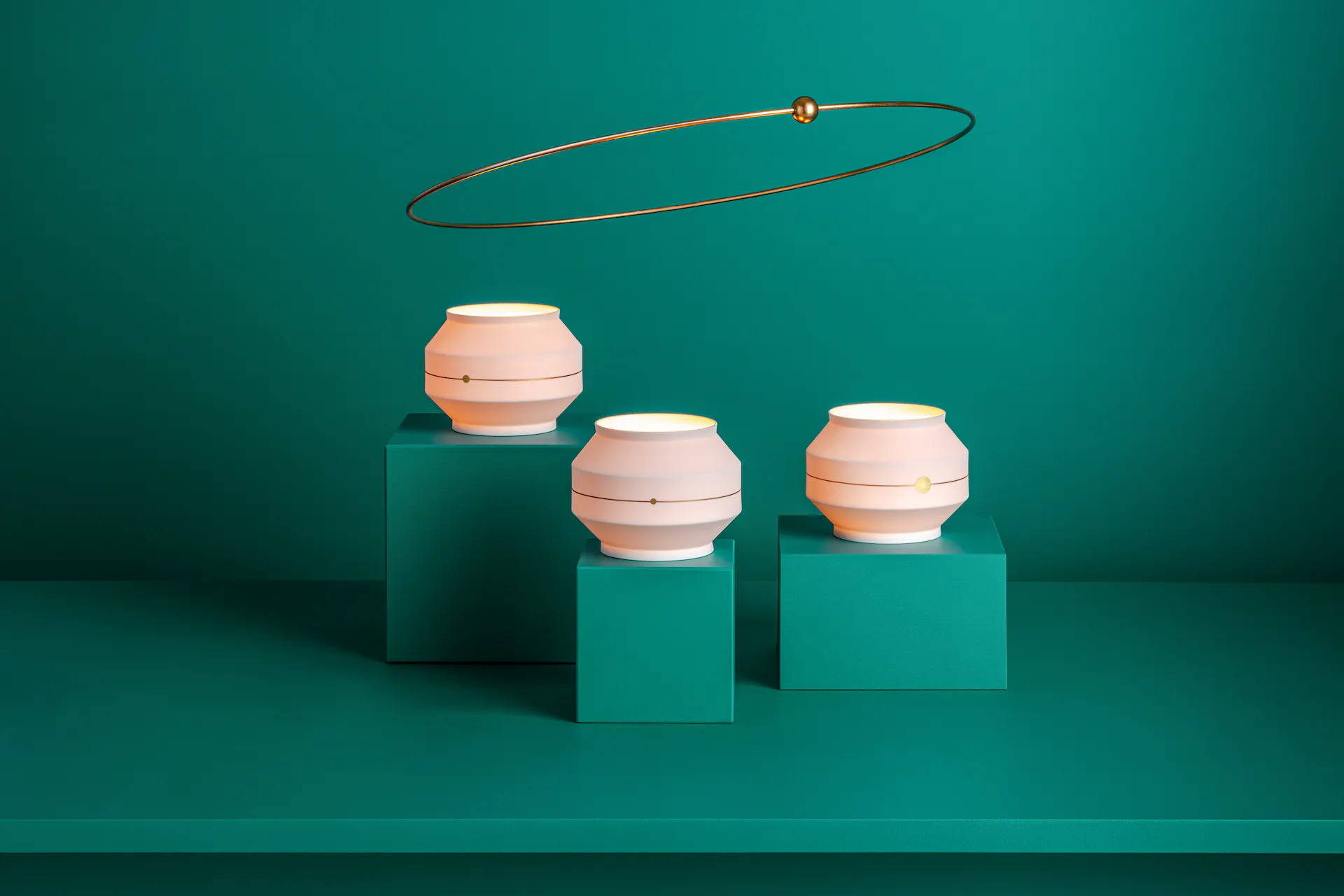
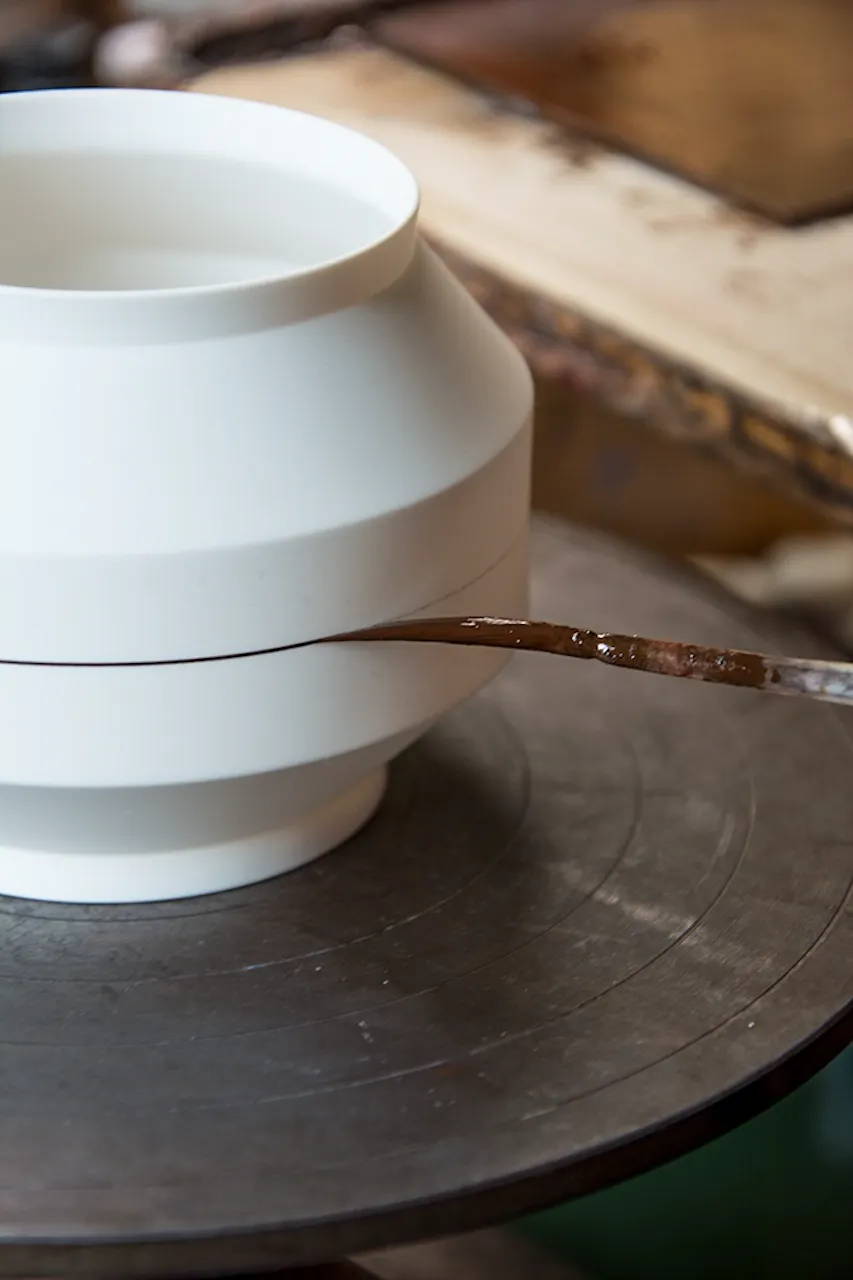
It is unusual, indeed: heavenly light. Mark Braun picks up the lantern , made from the finest biscuit porcelain , and runs his finger over the velvety surface. There is a golden line all around it with a dot on it. The hand-applied decor symbolizes the orbit of the celestial bodies, with light, the sun, at the center. Eight planets orbit it, above all the earth, that very dot. At the bottom of the lantern is the handwritten code "365 T" - the number of days it takes the earth to orbit the sun once.

Mark Braun designed the lantern, or more precisely: the PLANETARIUM lantern, for KPM. It now includes not only our home planet, but also Jupiter and Mars, for which the size of the dots and the number of orbital days vary. Mercury, Venus, Saturn, Uranus and Neptune will follow.
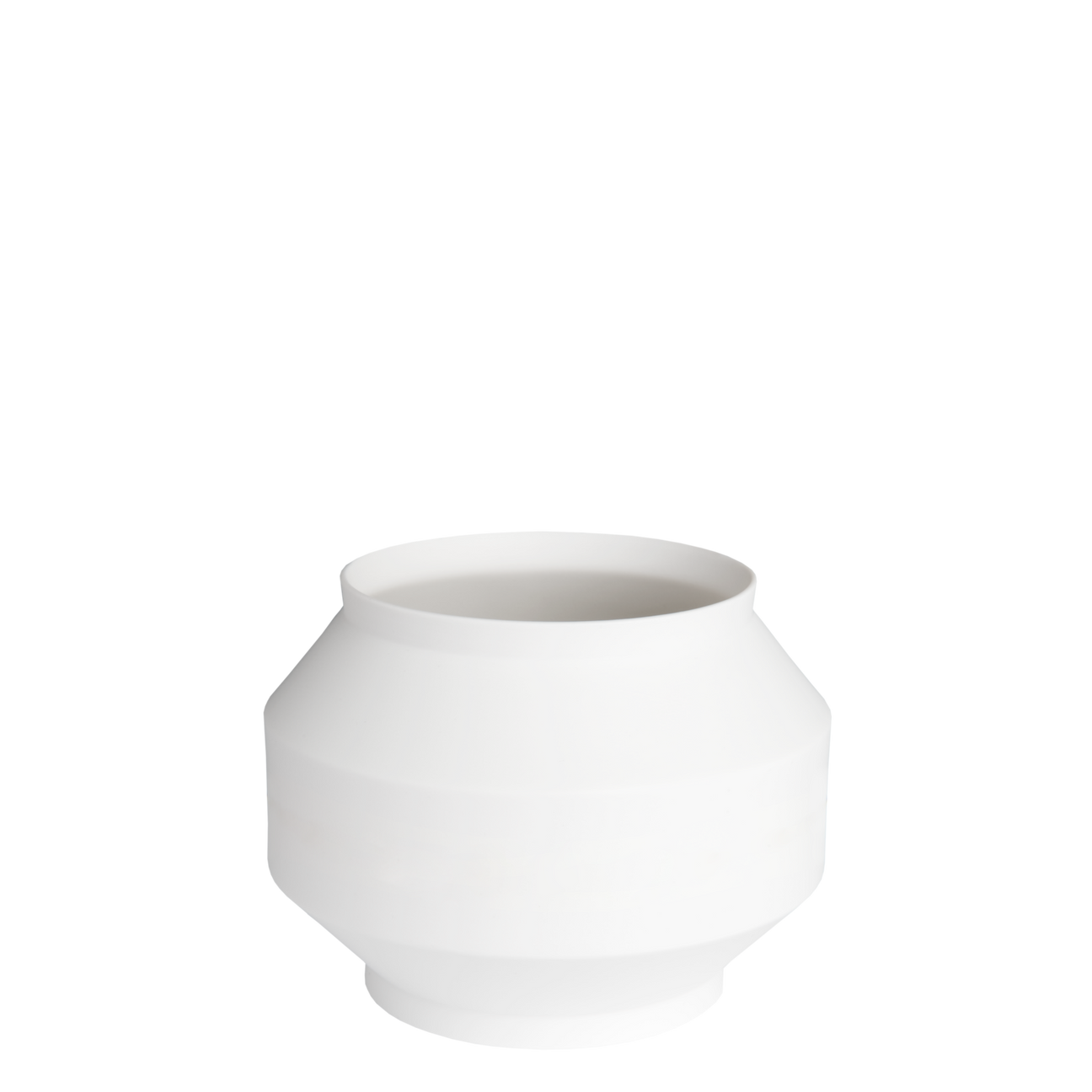
lantern Planetarium
89,00€
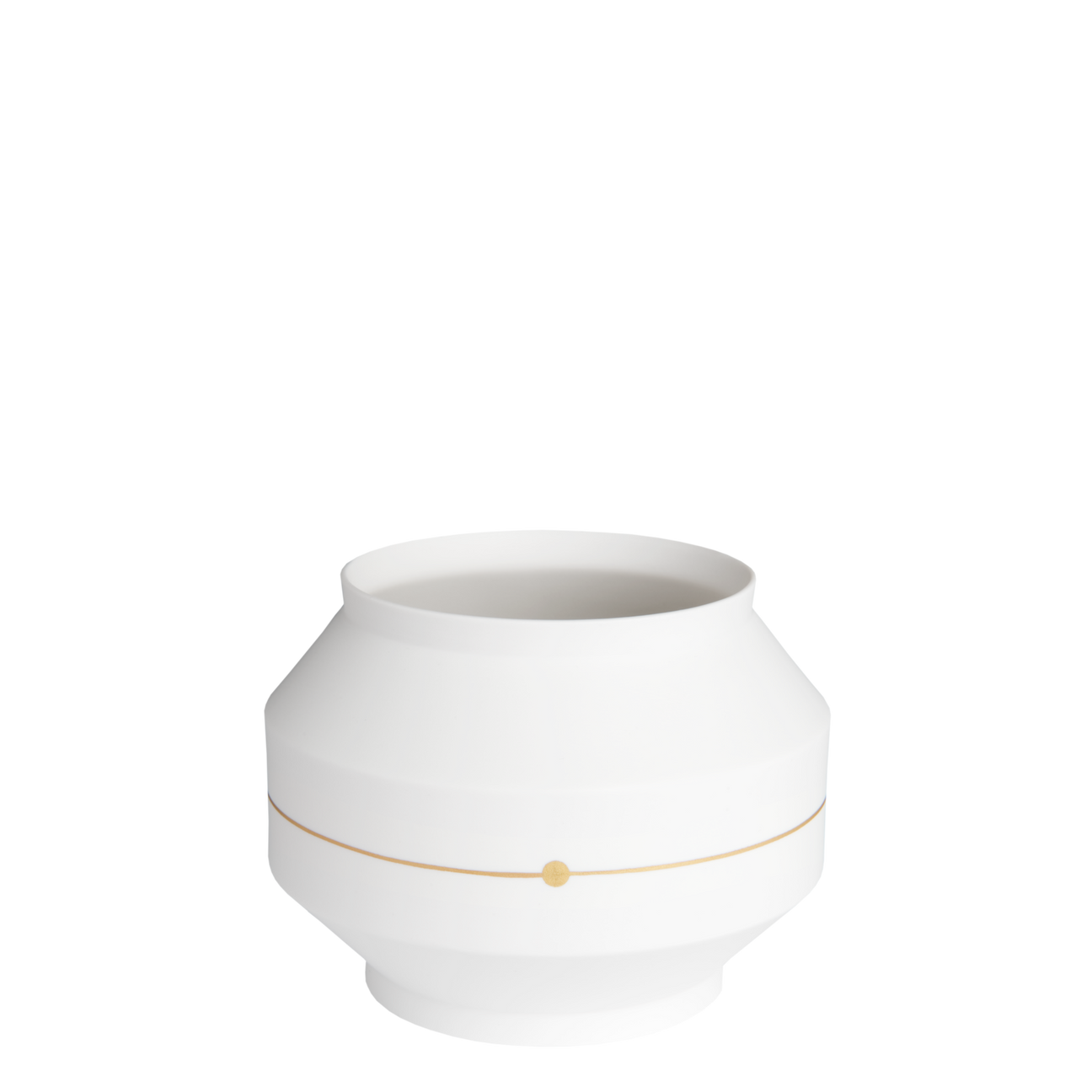
lantern Planetarium
100,00€
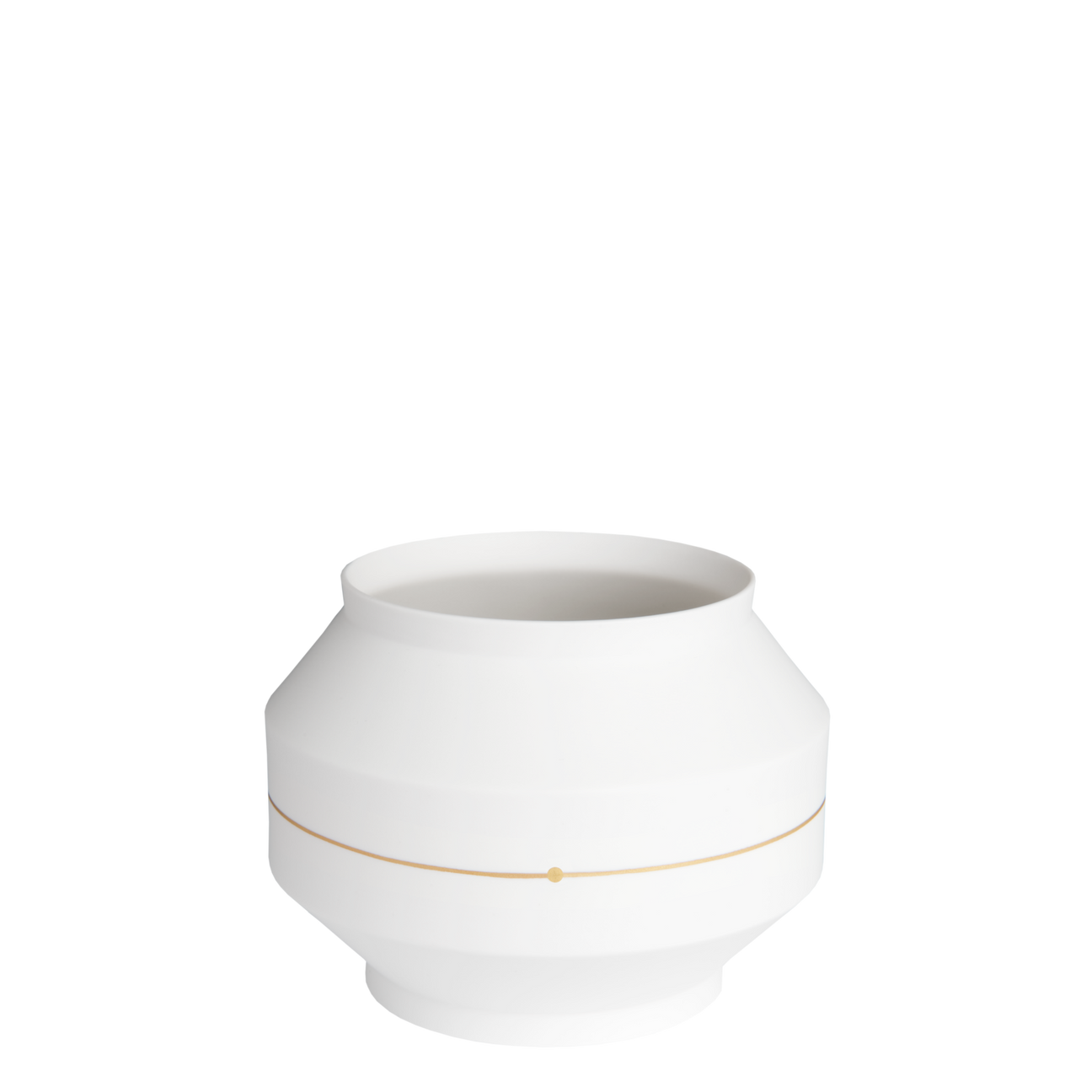
lantern Planetarium
100,00€
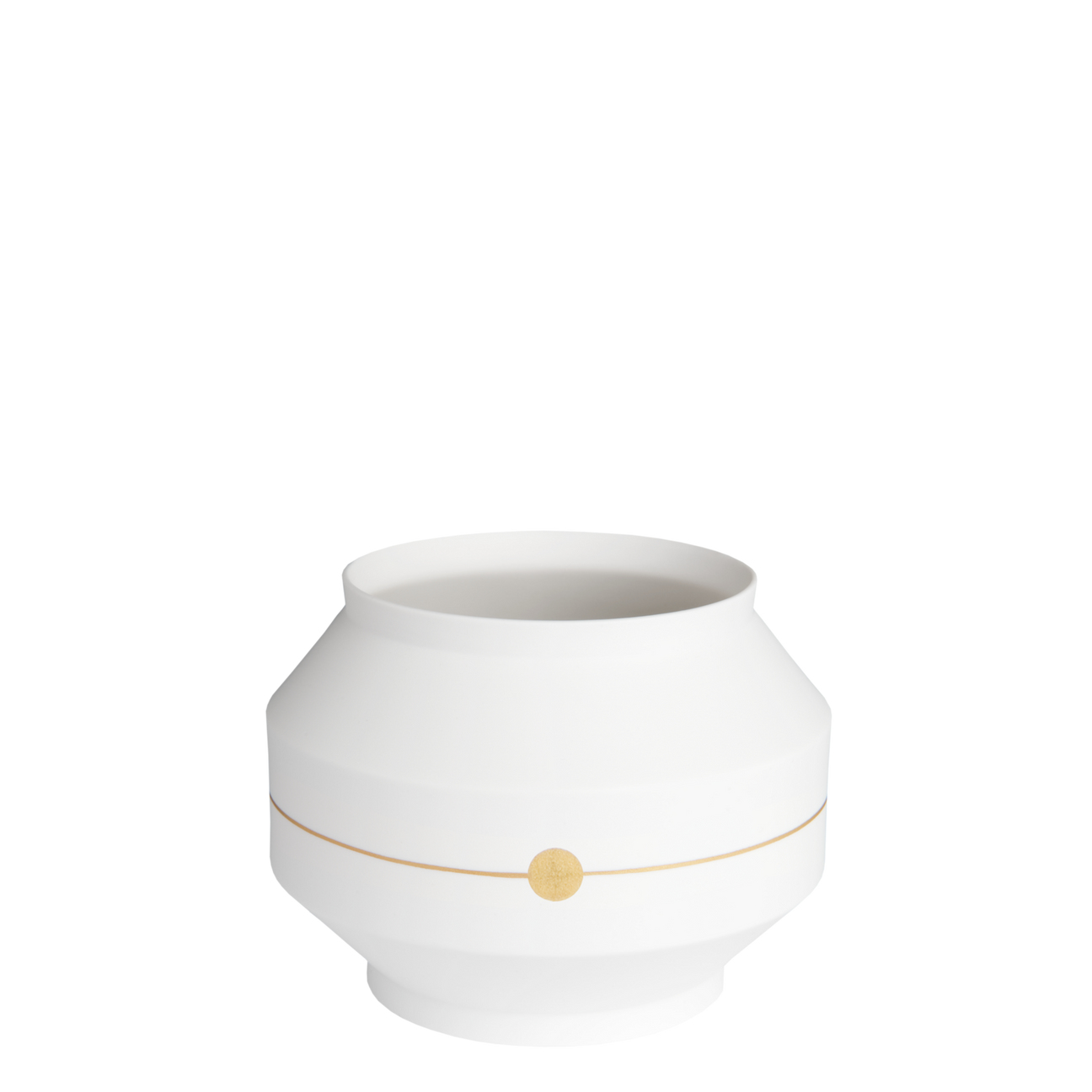
lantern Planetarium
100,00€
"This circular movement is a metaphor that I liked," says the designer during a visit to his studio in Berlin-Alt-Treptow. "The focus is on light, the brand, everything revolves around the manufactory and its production cycles."
The casually dressed man in his mid-forties adjusts his cap. If you talk to the award-winning product designer about his designs, he always emphasizes the commercial side. Perhaps this is the secret of his success. "I see it as my job to convey the potential of a company to the outside world with my products," he explains. It is not enough just to be a good designer; entrepreneurial and intellectual knowledge are just as important. It is also not enough just to have craftsmanship and talent; you also have to have good partners. Braun tries to think about the feasibility and production constraints of his clients. The collaboration with KPM is a "perfect match" - and the lantern is a "perfect brand ambassador" for the manufactory.
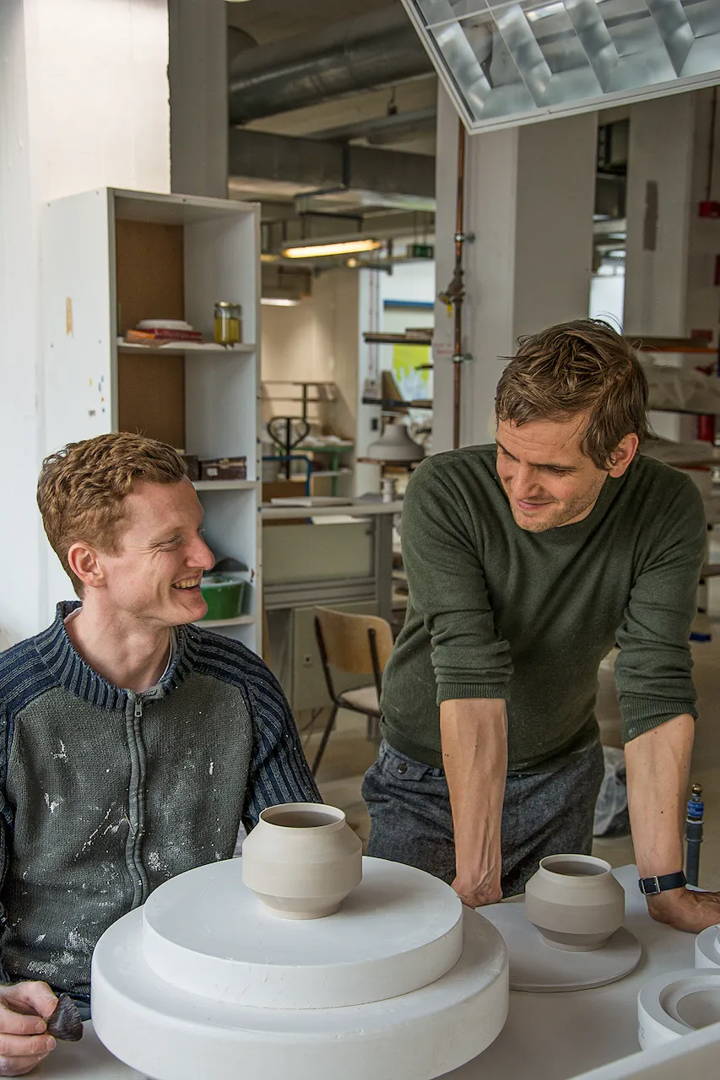
This is where high quality and precision in the handling of porcelain meet contemporary design. "KPM stands for a lot of skill and history. It is a company that was very progressive in the past, for example during the Bauhaus period with designs by Trude Petri and Marguerite Friedlaender," says Braun. "I wanted to dock onto that." With the PLANETARIUMlantern , form follows function, providing a pleasant, bright, windproof light in the dark. By day, on the other hand, it is simply a beautiful design object.
Mark Braun knows a thing or two about porcelain. While studying industrial design at the Burg Giebichenstein University of Art and Design, he experimented extensively with this “fussy material.” “Porcelain Plus X” was the title of his thesis. In it, he explored the contextualization of the material in relation to bathroom and tableware design. Braun waxes poetic when he looks back: “In the workshops in Halle , I Halle the perfect conditions for trying out new things.”
KPM Berlin . is a company that has always been very forward-thinking.
He also began his professional career with porcelain works: He designed a tableware set for the manufacturer ASA Selection, his first major commercial success after graduating. Although he deliberately chose not to put his name on the mass-market set, the commission gave him the financial leeway he needed to subsequently pursue his own products. In 2006, he started his own design studio and moved into a studio house in Alt-Treptow, where other artists and musicians had already set up shop. It was an inspiring atmosphere for the young entrepreneur, who set up an office and a “ studio ” there. Today, new residential buildings have sprung up around the old structure—which, during the GDR era, housed the record workshop of the music label Amiga—so that his office and “ studio ” are tucked away in the backyard. There, he employs three staff members and works as part of a team to develop various products from every conceivable material.
Mark Braun is in good business and has a broad base. His clients today include well-known companies such as Hartô, Conmoto, Lobmeyr, mono, e15, Otto Hutt and Thonet, to name but a few. He designs vases, glass decanters, razor sets, table trestles, cutlery, sofas, garden loungers, lamps, jewelry and clocks. He is particularly pleased with the design of the "Metro" watch for NOMOS Glashütte, which has been a bestseller for years and is now available in 13 versions. As different as his products are, all his designs bear his signature. They are well thought-out, minimalist and pleasantly unobtrusive. Many of his works have won prestigious awards such as the iF Design Award, the Red Dot Award and the German Design Award. But success has not gone to the 45-year-old's head - he appears modest, relaxed and without airs and graces.
He owes his aesthetic sensibility to his family. His grandfather was an architect, and his grandmother was an artist. They owned a summer house in Sweden, where they placed great importance on tasteful interior design. Young Mark was surrounded by design classics—including many Scandinavian pieces—and learned early on to appreciate quality products. Today, as a father of two, he tries to instill this appreciation for design in his own children. “It’s an important experience for children to come into contact with high-quality products,” Braun believes. He’ll sometimes hand his young daughter a beautiful drinking glass, even if it might get broken. He lives in Kreuzberg with his wife, graphic designer Anna Sartorius, and their children. This is where the Berlin resident by choice has made his home. The city continues to inspire him time and again because Berlin is undergoing such rapid change. He also values the Berlin Watch Factory ( KPM Berlin ) as a part of Berlin. In the past, the factory has always had an “open door” for him—the best conditions for a successful collaboration.
Text: Heike Gläser
Share
Read more
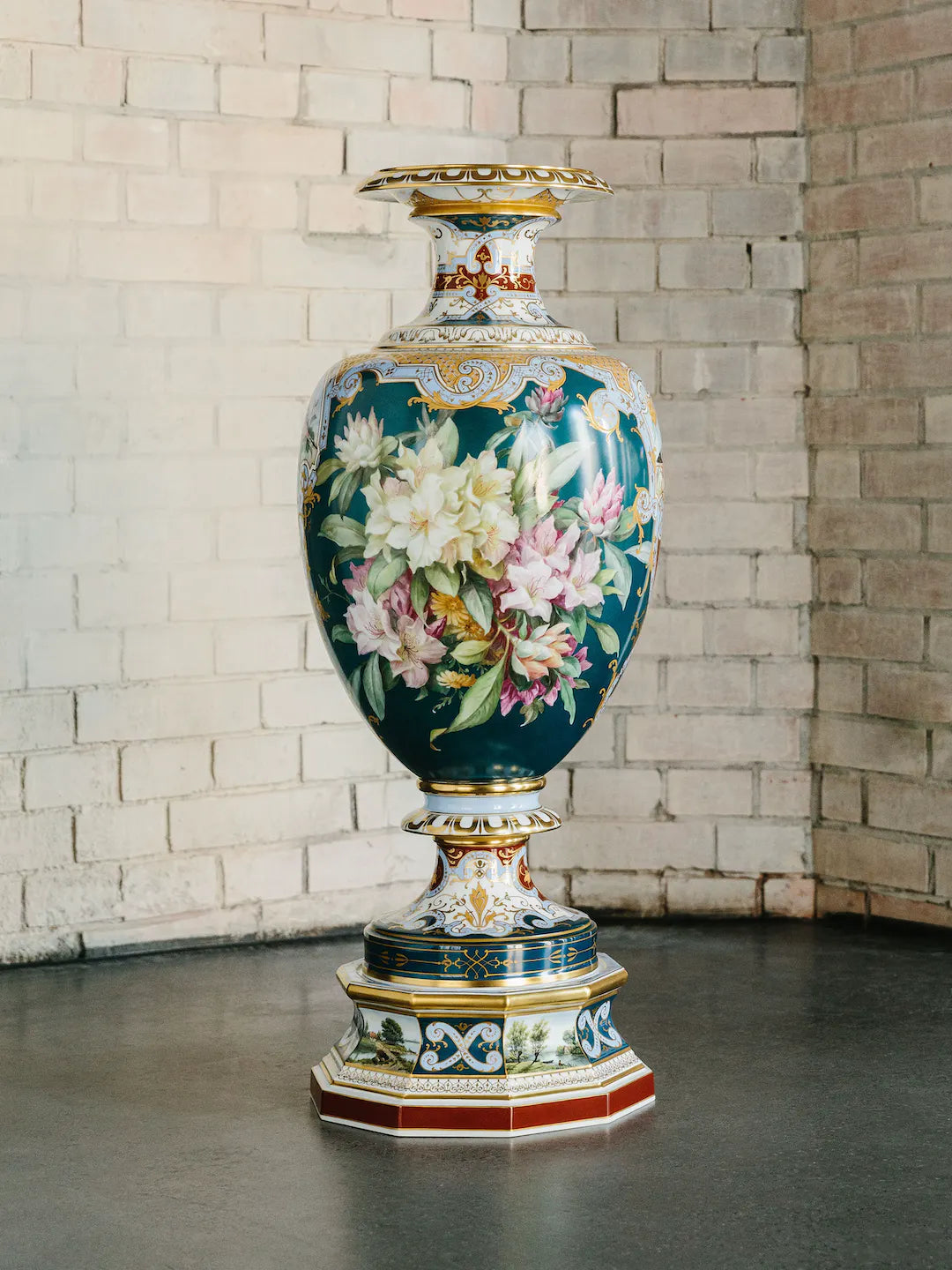
A Special Piece - Exquisite Porcelain Vase | KPM Berlin
A TRULY SPECIAL PIECE Landscapes, birds, flowers, opulent designs: This VICTORIA vase brings together all the disciplines of porcelain painting—and pays tribute to the craftsmanship of the Mei...

How do you have breakfast in Zehlendorf?
HOW DO PEOPLE HAVE BREAKFAST IN ZEHLENDORF? Is it still a village or already a city? In southwest Berlin, life is traditional and tranquil; you won’t find any large shopping centers here. Zehlendorf ...