






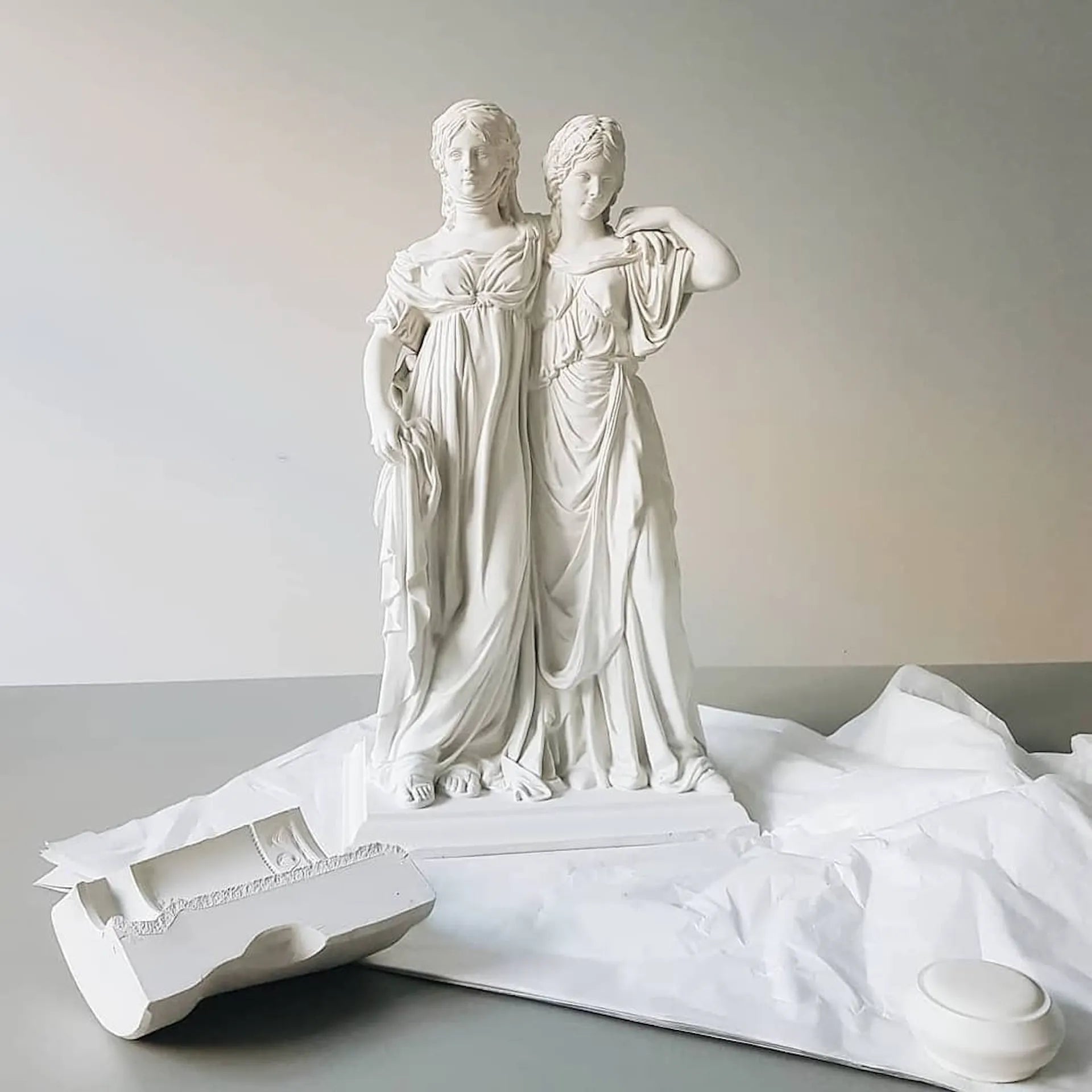
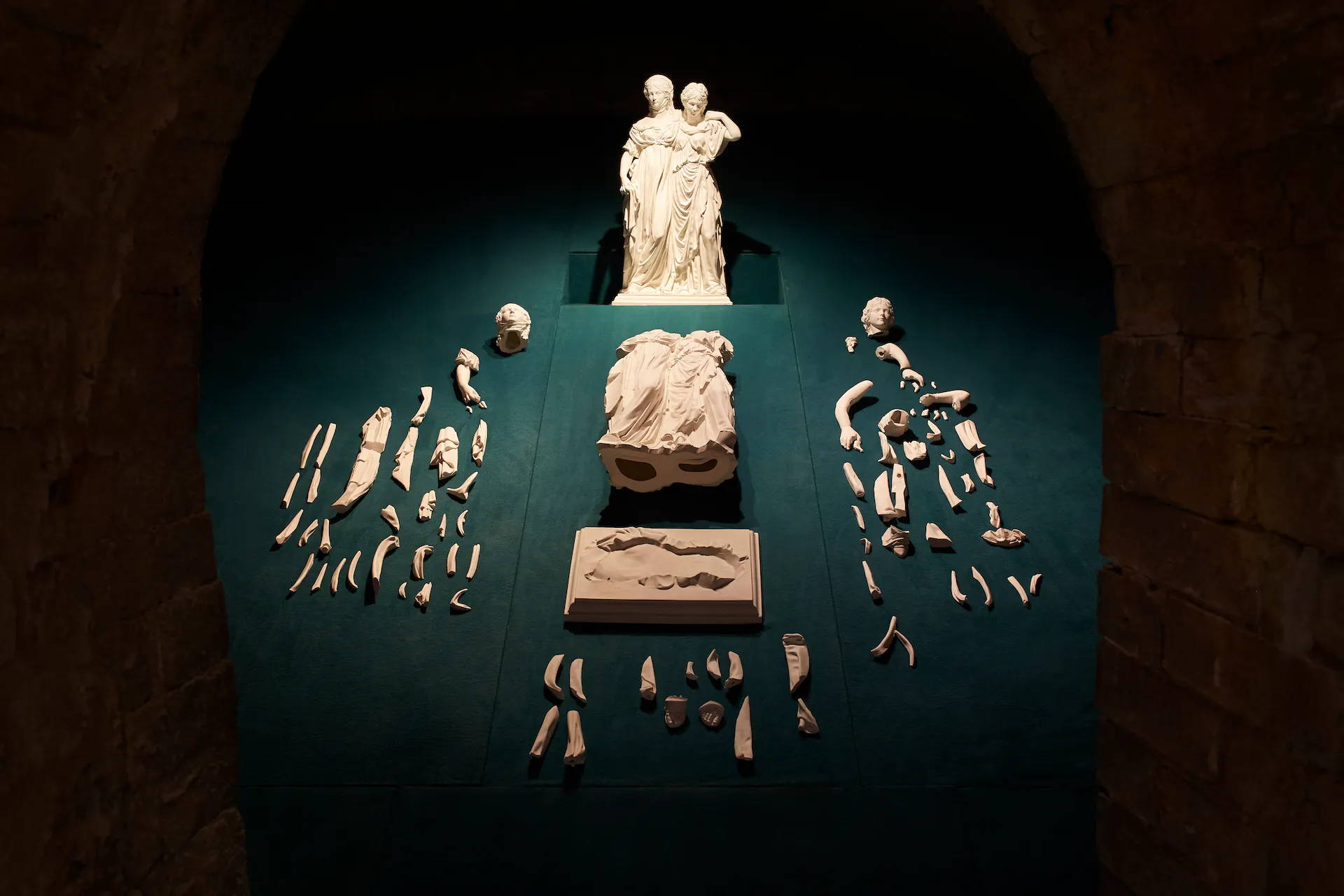
It’s a very special kind of puzzle: 88 individual pieces are painstakingly assembled by hand over the course of three days. Even for our most experienced employees, the Prinzessinnengruppe is Prinzessinnengruppe challenge unlike any other. We’ll reveal the story behind this extraordinary porcelain figurine.
Allow me, Luise and Friederike. Two princesses and their story
IF YOU PLEASE, LUISE AND FRIEDERIKE. TWO PRINCESSES AND THEIR STORY
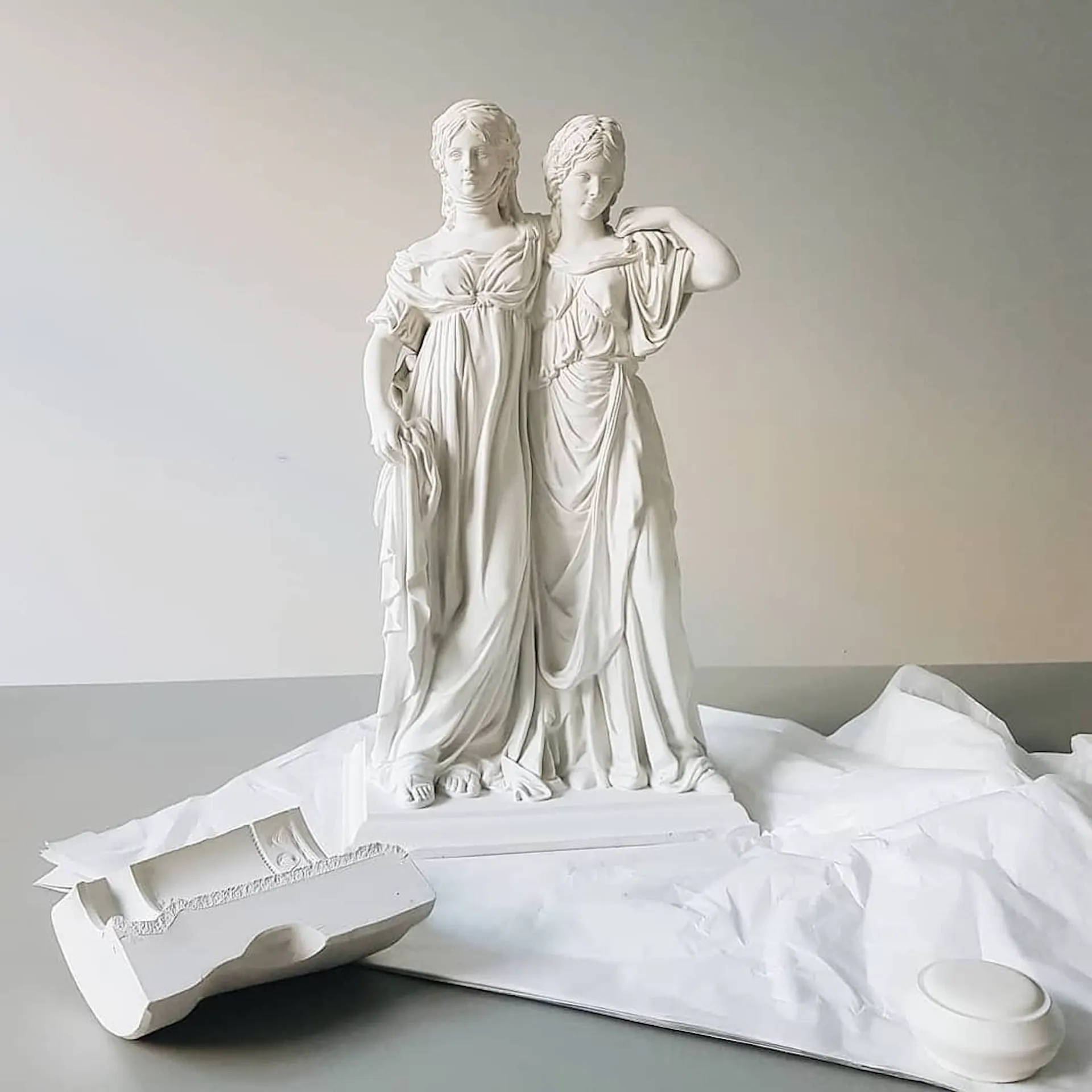
Image: @tanjademmerath
Two sisters, arm in arm and in flowing robes - a symbol of grace, gracefulness and beauty. Even 224 years after its creation, the sculpture has lost none of its perfection. Yet not all owners were so enthusiastic. For several years, the two princesses led a shadowy existence in a dark corner of the Berlin Palace and were almost forgotten...
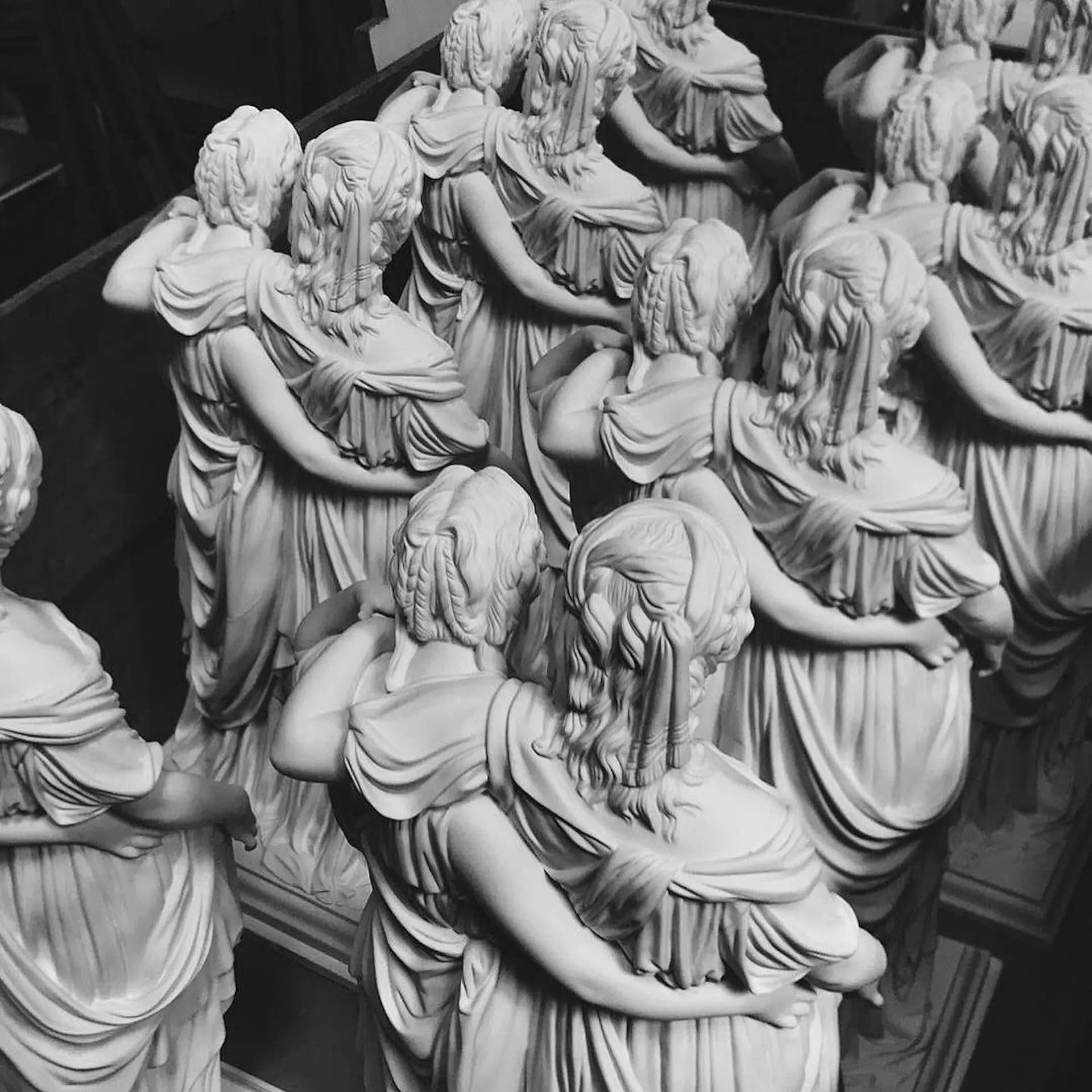
But first things first! On December 24, 1793, the Crown Prince—and later King of Prussia— Friedrich , Wilhelm, and Princess Luise of Mecklenburg-Strelitz were married at the Berlin City Palace. Two days later, the younger siblings of the crown prince and princess, Prince Louis and Princess Friederike, were married at the same location. For the brothers’ father, King Friedrich Wilhelm II, this was reason enough to have the sisters—who were already revered as beautiful women during their lifetimes—immortalized. He commissioned the sculptor Johann Gottfried Schadow to create, initially, two portrait busts, which subsequently led to a commission for a life-size double statue of the princesses in plaster, presented in 1795 at an exhibition of the Academy of Fine Arts. The arrangement of the two sisters was not merely an artistic decision but also reflects the different statuses of Luise and Friederike: Luise, the elder and higher-ranking sister, stands on the left in accordance with the rules of heraldry, while Friederike is positioned slightly behind her future queen.
Masterpiece or scandal?
The Prinzessinnengruppe such a huge success that a version in Carrara marble was commissioned. Schadow handed this commission over to the court sculptor, who completed the work in 1797—once again in time for the annual Academy exhibition. And once again, the public was thrilled. So why did the statue nevertheless disappear from public view for the next 90 years?
Shortly after the exhibition, the patron passed away. Luise’s husband, now King Friedrich Wilhelm III, was a sober and frugal man who wished to distance himself from his father’s opulent regime. Apparently, he was rather averse to the sensual depiction of his wife. Precisely what the public appreciated so much displeased him: the natural depiction, far removed from any majestic pose, and the fact that the heavily draped robes revealed the young women’s body shapes. The fact that Friederike, the younger sister known for her free-spirited nature, had a reputation as the “most gallant lioness of the century” likely did not help either. So he initially banished the work to a less prestigious guest room before it disappeared from public view entirely. The “ Prinzessinnengruppe ” was not made accessible to a broad audience again until 1906 at the National Gallery’s Centennial Exhibition. After two world wars and several changes of location, the original marble sculpture now stands once again in the Old National Gallery, while the plaster version is housed in the Friedrichswerder Church, which has been converted into the Schinkel Museum.
What does all this have to do with porcelain?
Work on the porcelain figure began at the same time as that on the marble group. In 1796, the modeler Carl Heinrich Schwarzkopf was commissioned to recreate Schadow’s model. However, he was provided only with the two portrait busts, and Schadow did not consider the result successful. For this reason, Schadow assigned the task to Carl Friedrich Hagemann, whom he described as his most skilled student—and who delivered a satisfactory miniature on December 21, at that time still titled“The Crown Princess and Prince Ludwig.”
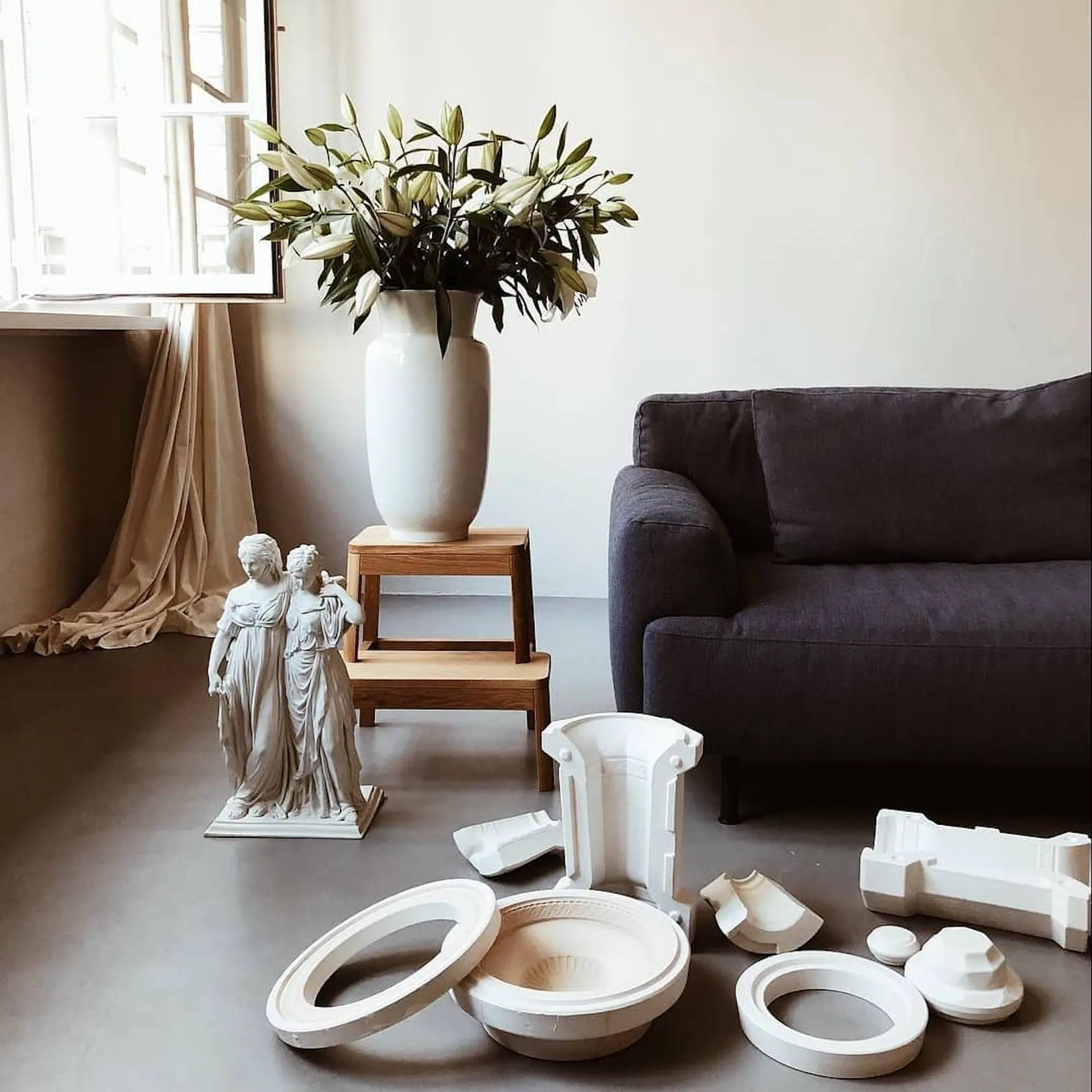
Today, the 55-cm-tall Prinzessinnengruppe is made Prinzessinnengruppe the finest biscuit porcelain . The individual pieces are fired twice at temperatures up to 1400°C and then left unglazed. This gives the surface a matte finish reminiscent of marble. And then “all that’s left” is to put the pieces together like a puzzle...
Share
Read more
Rocaille: 250 years of elegance on magnificent panels
ROCAILLE: 250 YEARS OF ELEGANCE ON MAGNIFICENT TABLES Magnificent, even more magnificent—ROCAILLE. When you look at the 1767 dinner service, images of lavish celebrations spring to mind, opulent...
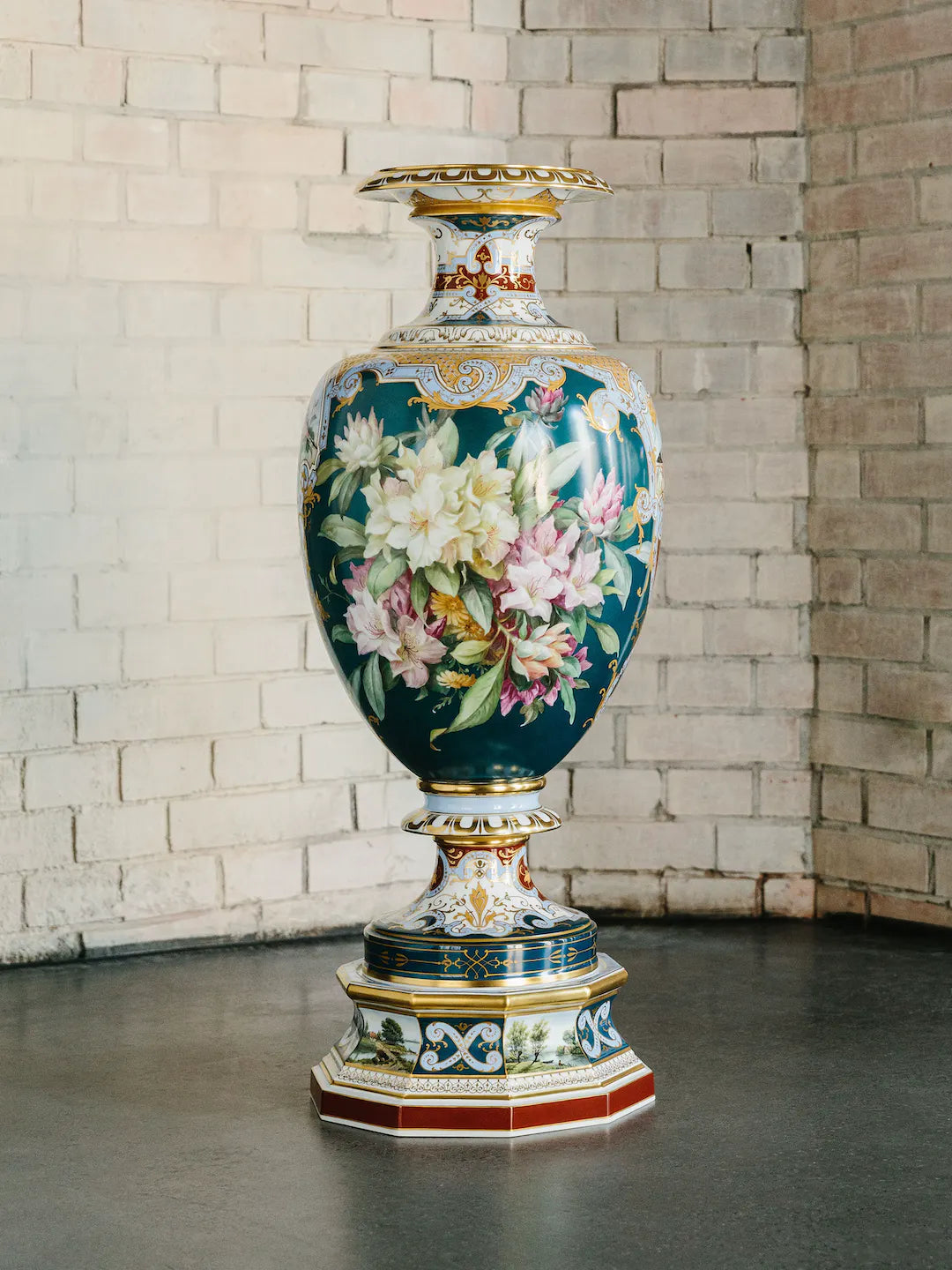
A Special Piece - Exquisite Porcelain Vase | KPM Berlin
A TRULY SPECIAL PIECE Landscapes, birds, flowers, opulent designs: This VICTORIA vase brings together all the disciplines of porcelain painting—and pays tribute to the craftsmanship of the Mei...