


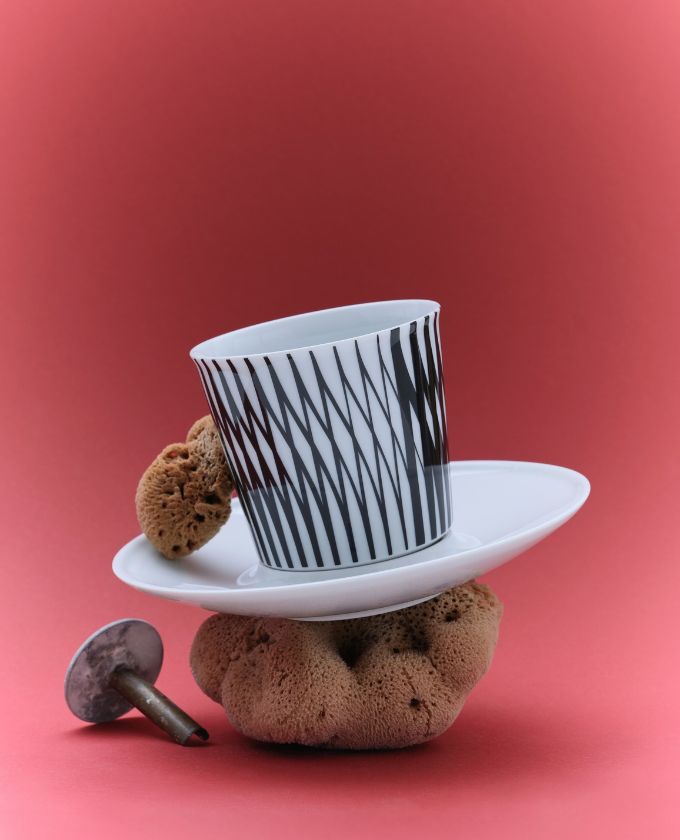
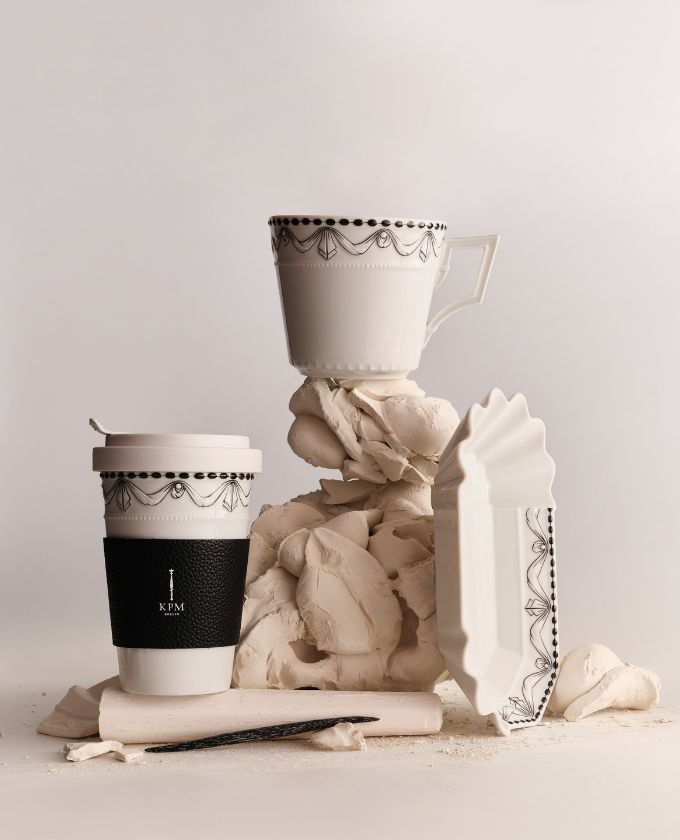
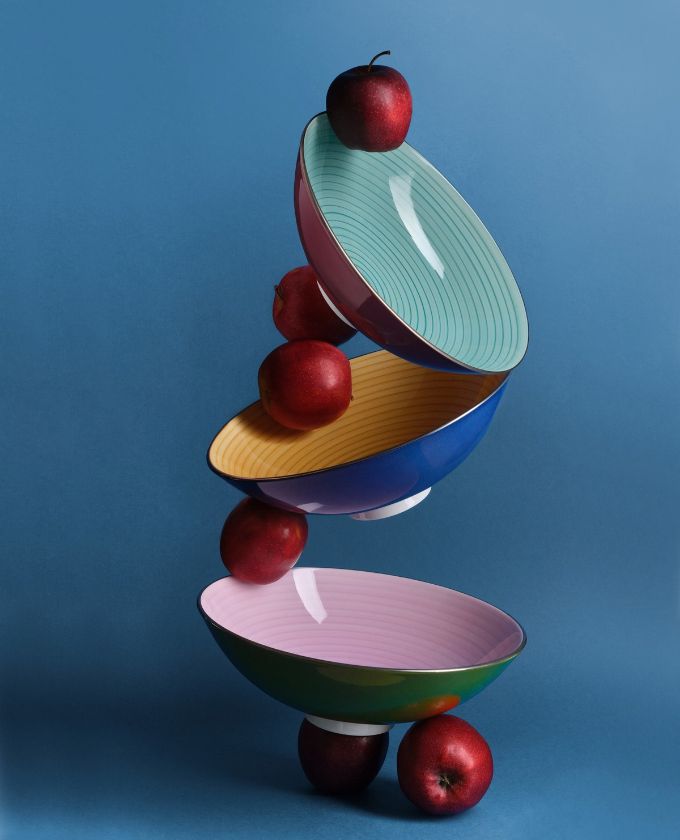
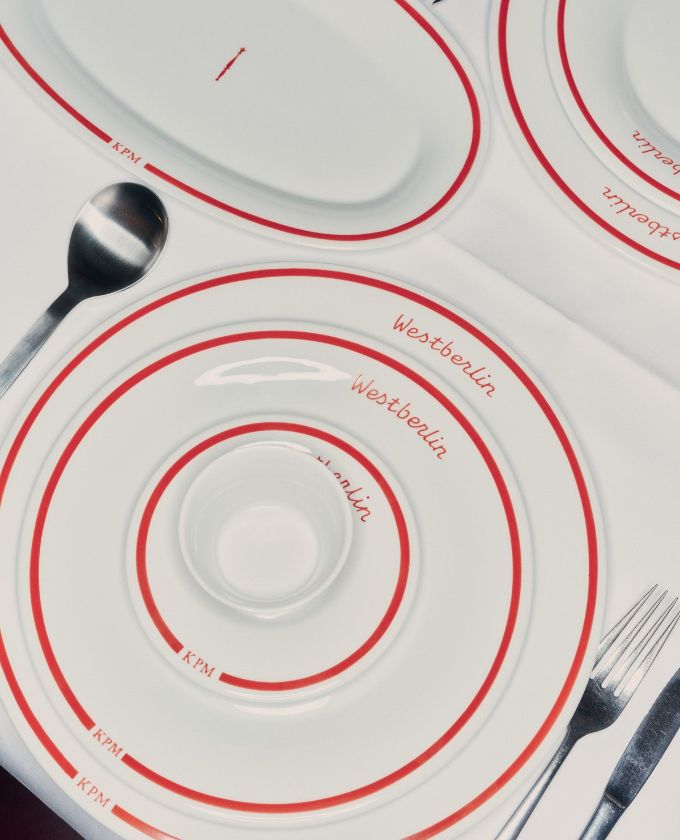


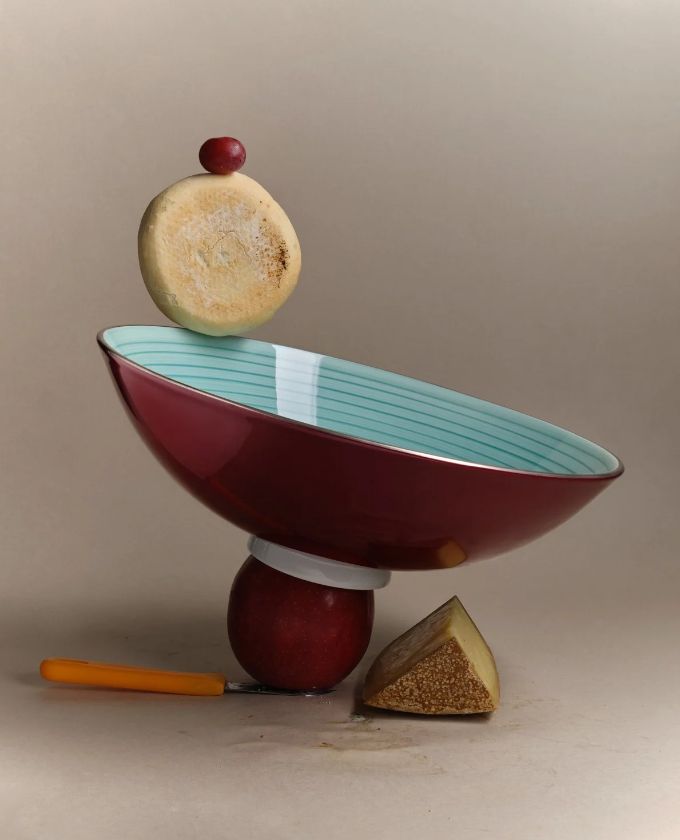
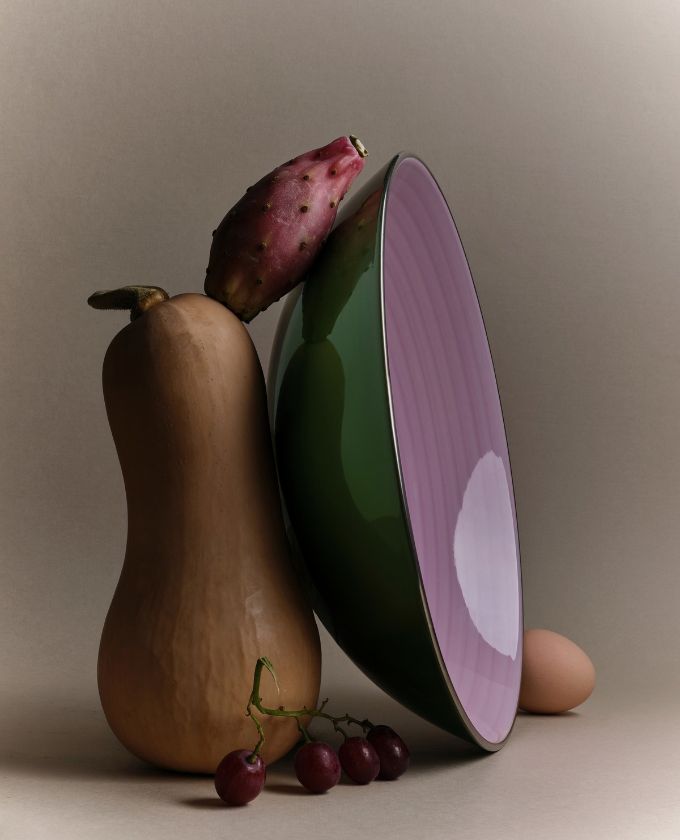


In the new * KPM Berlin * & *SZ Magazin* edition, French artist Benoît François playfully subverts our established habits and the expectations tied to them. Almost like a game of three-cup shuffle with porcelain cups, he seemingly swaps things around in his own unique, mischievous way—only for them to end up in their proper place hidden inside the shaker… or do they?
Confusion at the Kitchen Table — " KPM Berlin " & "SZ Magazin" Edition
CONFUSION AT THE KITCHEN TABLE
As a space for creative collaboration between the capital’s manufactory and young, contemporary artists and designers, the “ KPM Berlin ” has already demonstrated several times through KPM+ that time-honored craftsmanship and contemporary art can transcend boundaries together. Following spectacular collaborations that truly looked beyond the box with international creatives such as Stefan Marx, Mark Braun, Jean Jullien, FAILE Art New York, Zeloot, and Andy Rementer, the “ KPM Berlin ” and SZ Magazin were able to bring on board another artist this year for a unique collaboration: Benoît François. With the French artist’s
With Benoît François’s signature humorous wink, the “ KPM Berlin ” and the “Süddeutsche Zeitung Magazin” are launching a limited-edition KPM+ version of the salt-and-pepper shaker set from the LAB Collection.
Benoît François is a French multidisciplinary artist. Porcelain has always been on his list of materials he wanted to design. In addition to classic illustrations, he also works with fine art, animations and installations. He recently created a video animation for Hermès to celebrate the Chinese New Year.
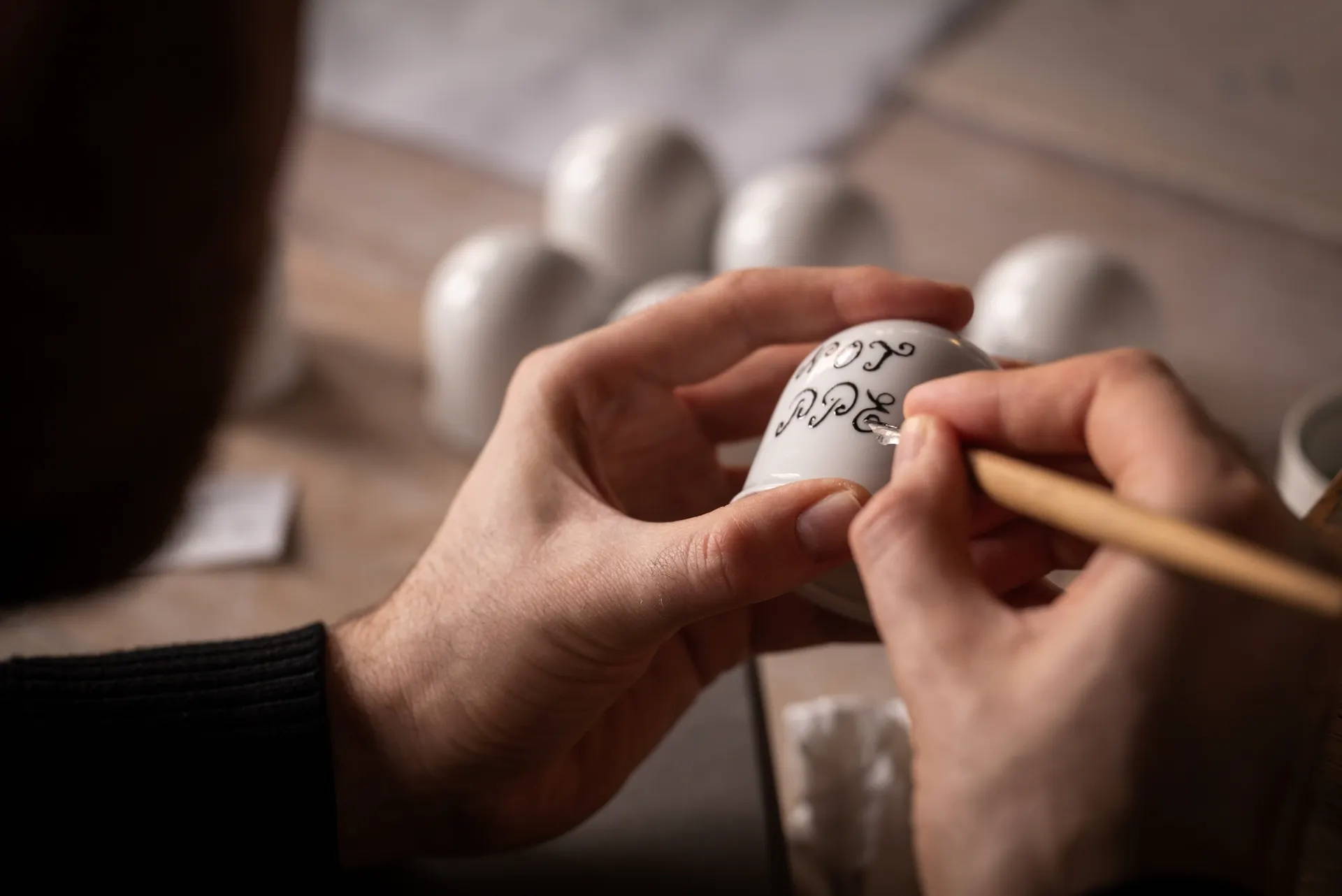
In the fall of 2019, Thomas Wenzel, chief designer at KPM Berlin , expanded the LAB series with a set of minimalist, functional salt and pepper shakers. The rounded surface made of smooth, glazed porcelain and the synthetic cork stopper once again create an appealing tactile experience. The design is also striking, bringing the history of laboratory porcelain from the KPM Berlin into the modern kitchen.
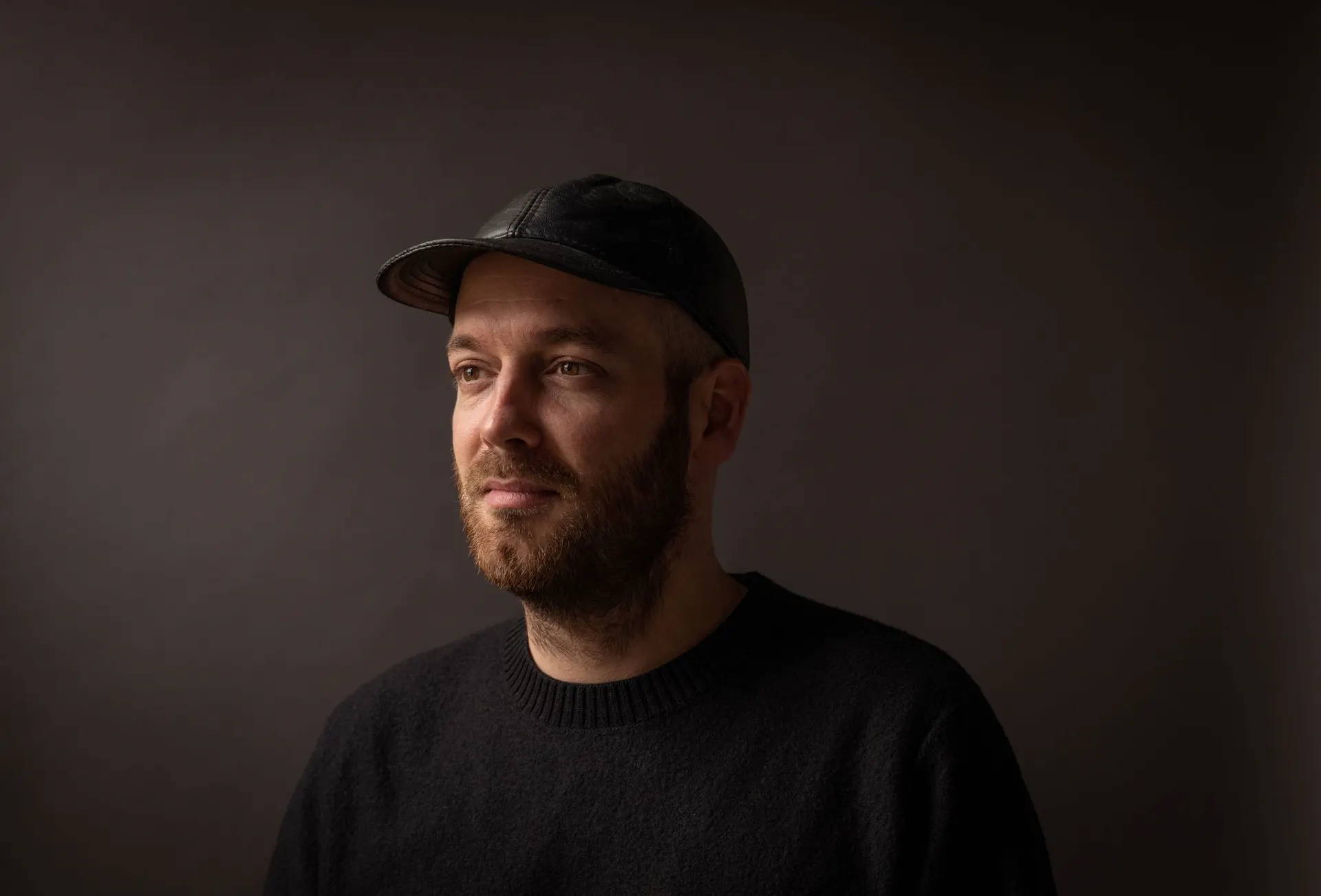
INCONVERSATION WITH BENOÎT FRANÇOIS
As a multidisciplinary artist, your work covers a diverse spectrum and, above all, your works are characterized by a poetic eye. What themes can be found in your work?
François: I like to build bridges between spheres that don't normally cross. How can "Nail Art" enter into a dialog with Emil Cioran's philosophy, for example? I don't know, but if you find a common ground, something interesting could emerge. I like to create that kind of tension.
There is also a great deal of humor in your creations. How would you describe your sense of humor?
François: I think I try to connect themes in unexpected and naive ways.
Whether animation, installation or drawing, the creative processes can be so different. What is it like for you? Do you work analog, or are your works created digitally?
François : It's comparable to a ball on a squash court. Lots of rebounds until it either lands a hit or falls to the ground and has to be put back into play. Mostly analogue, but the images are often digitized with a computer at some point.
With the KPM+ format, we have institutionalized a kind of docking station for the creative dialogue between traditional craftsmanship and contemporary art. Together with SZ-Magazin, this approach was continued between you and us. How did the idea for the design of the salt and pepper shakers come about?
François: I like the salt and pepper set and that it's a bit difficult to distinguish one shaker from the other. With the statements written on it, this doubt is multiplied and it almost becomes a "skeptical" domestic work of art that can be displayed on any kitchen table. The set can also be used in many different ways and takes on a different "meaning" each time.
For the upcoming edition, "Not Salt" and "Not Pepper" will be printed on the porcelain. During your visit to our manufactory, you were also able to try out painting the two shakers directly with hand-mixed paint. Was it a big difference to your usual working methods? Was there anything unexpected?
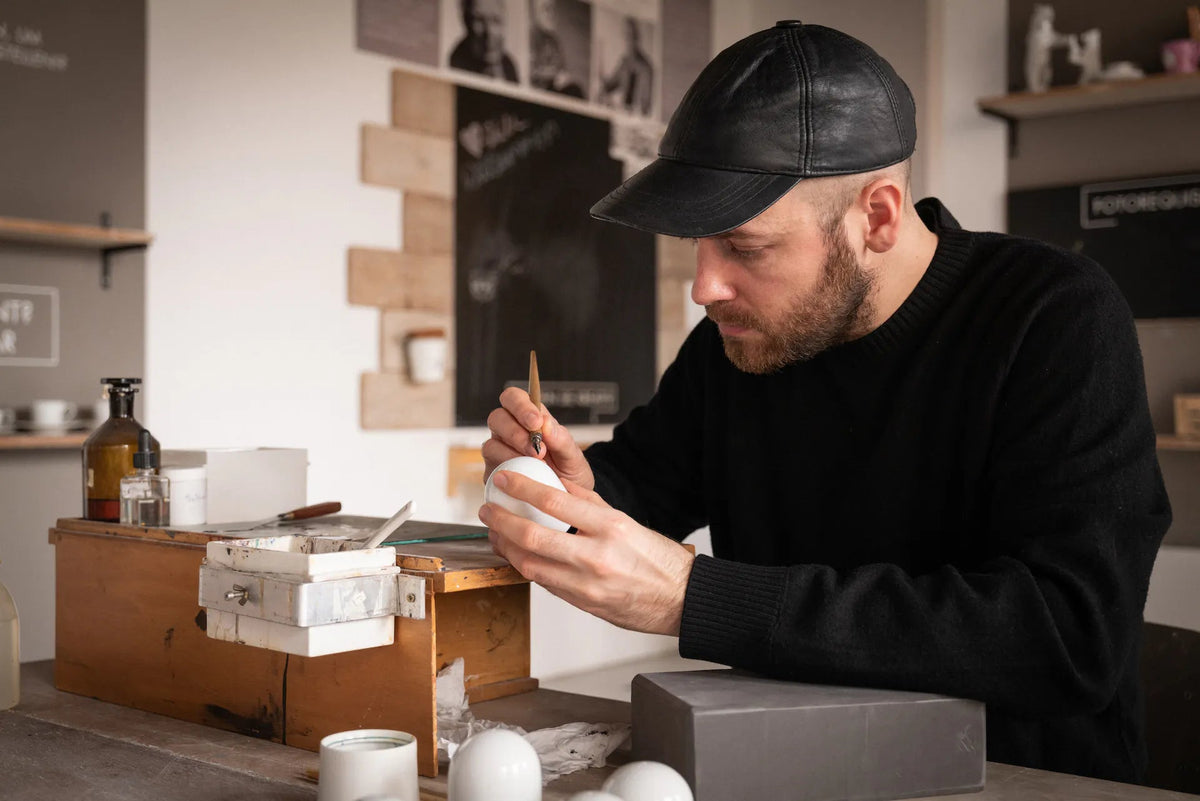
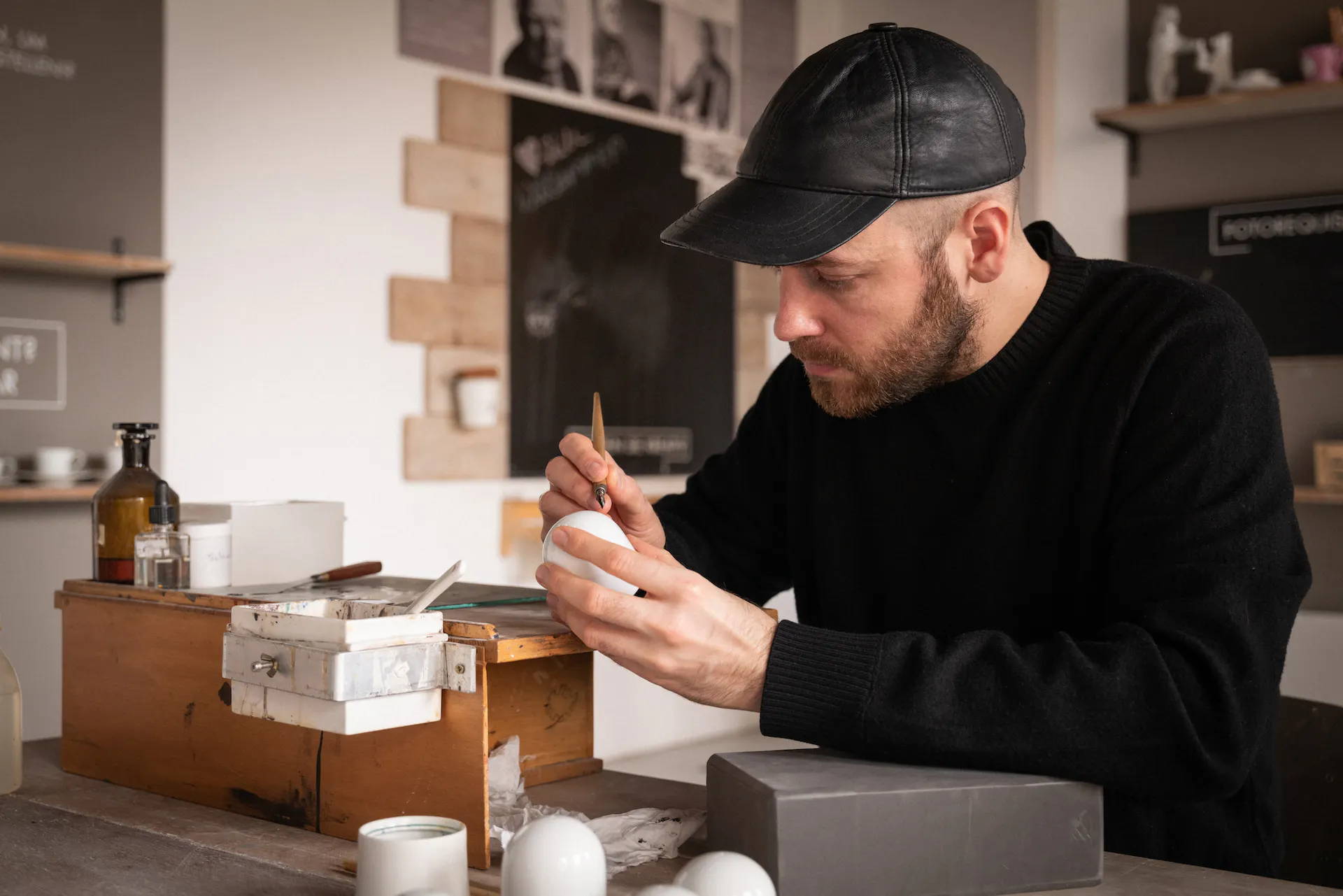
François: I often work with nibs because then I can use a special ink that is more archival than an average pen. So I'm used to working with a nib, but on the porcelain and on a curved surface it makes things difficult, you can't really write quickly. But I love the way it melts into the white porcelain. And it's one of the longest lasting ways to keep a drawing, in my opinion.
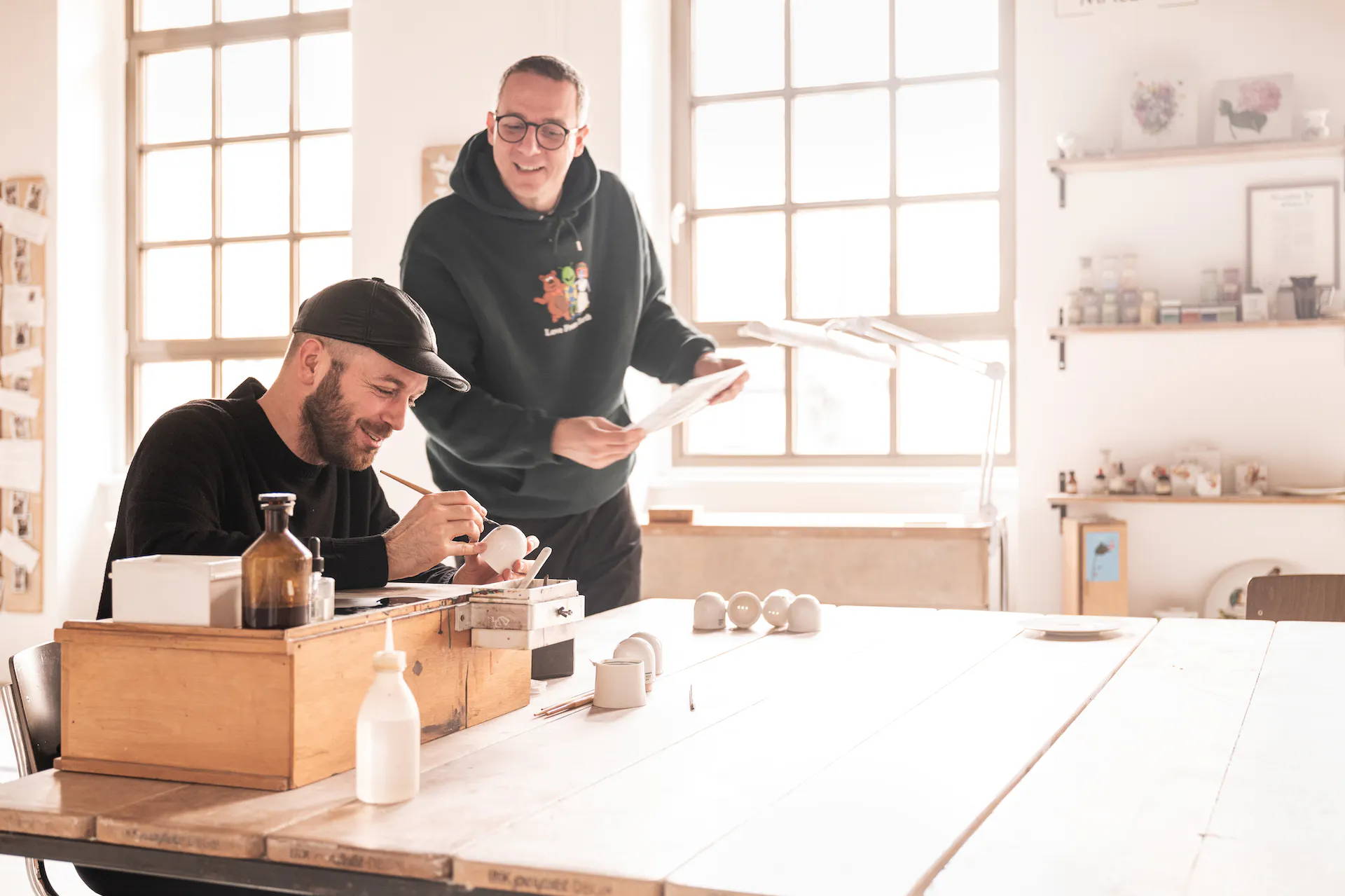
While you were painting, Stefan Marx stopped by—he’s already designed several porcelain art objects for the “ KPM Berlin .” Was he able to give you a few tips? After all, Stefan has even earned his own spot in our painting collection by now.
François: I had to concentrate very hard not to break a feather, but after visiting Stefan and his nice colleagues in the KPM painting shop, they showed me many cool Stefan pieces and also more classic KPM objects, all hand-painted, from classic multicolored flowers to more modern Enzo Mari patterns.
What projects are you working on in the near future? Could you also imagine designing another porcelain piece? What would it be?
François: I am working on other projects for the Hermès fashion brand and am preparing a series of sculptures. I would be very interested in creating a series of drawings with thermo-sensitive glazing on porcelain objects such as tea or coffee sets. Some drawings that only appear when you pour some hot water on them. I would create studies of hot drinks through the ages and hide mischievous, humorous details, like a porcelain riddle ...
More about Benoît François on his website and Instagram.
Pictures: Benjamin Zibner
Share
Read more
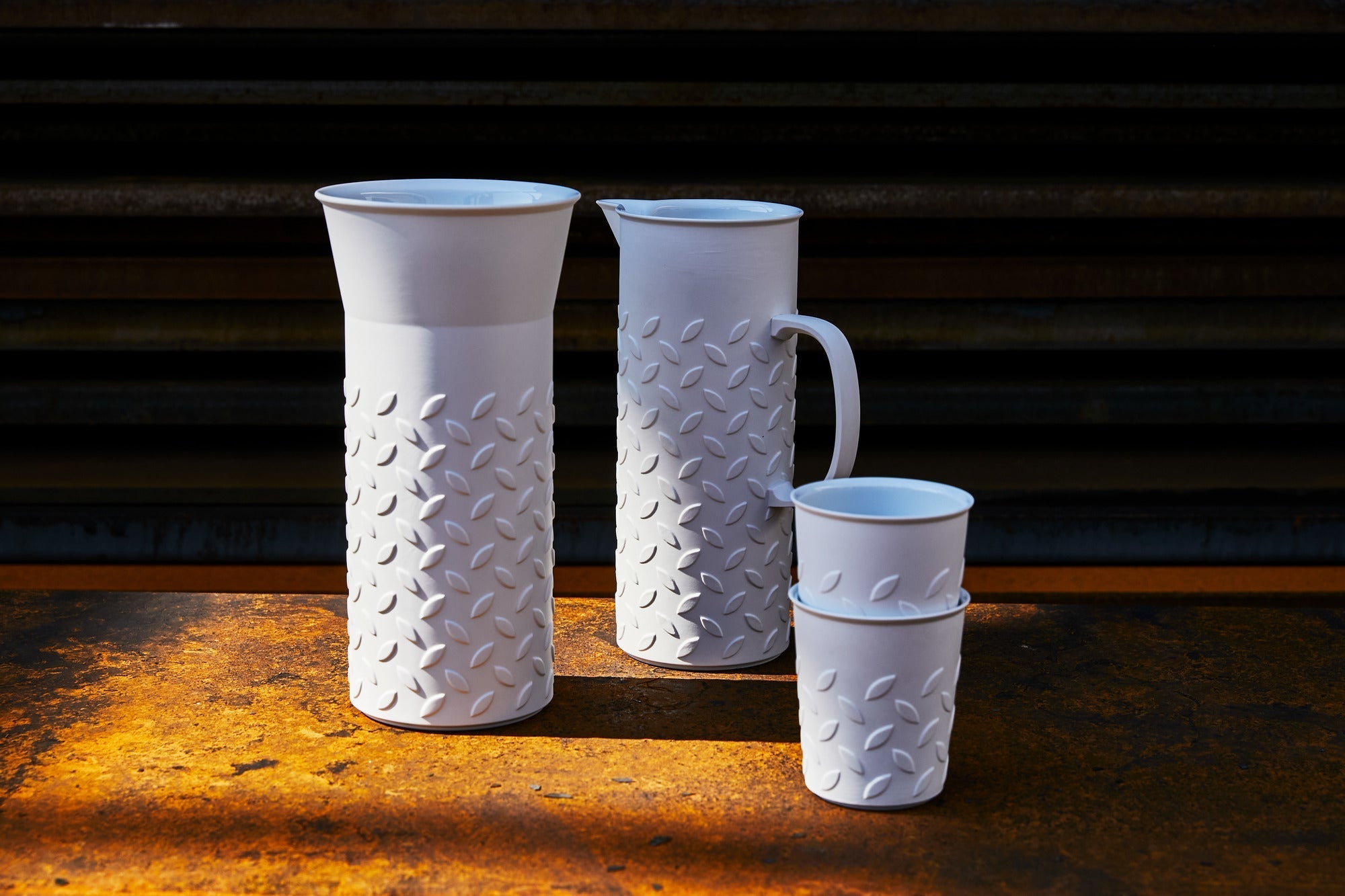
MANDORLA Interview with RXS+TW
INTERVIEW WITH THE MANDORLA DESIGNERS KPM is launching the new MANDORLA collection as both a "daily" and an "Art Edition." We interviewed the two minds behind this new collection. A conversation with the K...
Centerpiece No. 2
HIGHLIGHT NO. 2 The greatest compliment for a long-standing company like KPM Berlin? When employees bring their family members on board. We proudly present: Kata...